
Zhipu and Huawei Unveil Breakthrough AI Image Model Powered Entirely by Domestic Tech

A New Era for Domestic AI Technology

In a significant move for China's tech independence, Zhipu AI has unveiled GLM-Image - the country's first fully domestic multimodal image generation model developed in collaboration with Huawei. What makes this release particularly noteworthy isn't just its technical capabilities, but its complete reliance on Chinese computing infrastructure from start to finish.

Image

Blending Text and Images Seamlessly

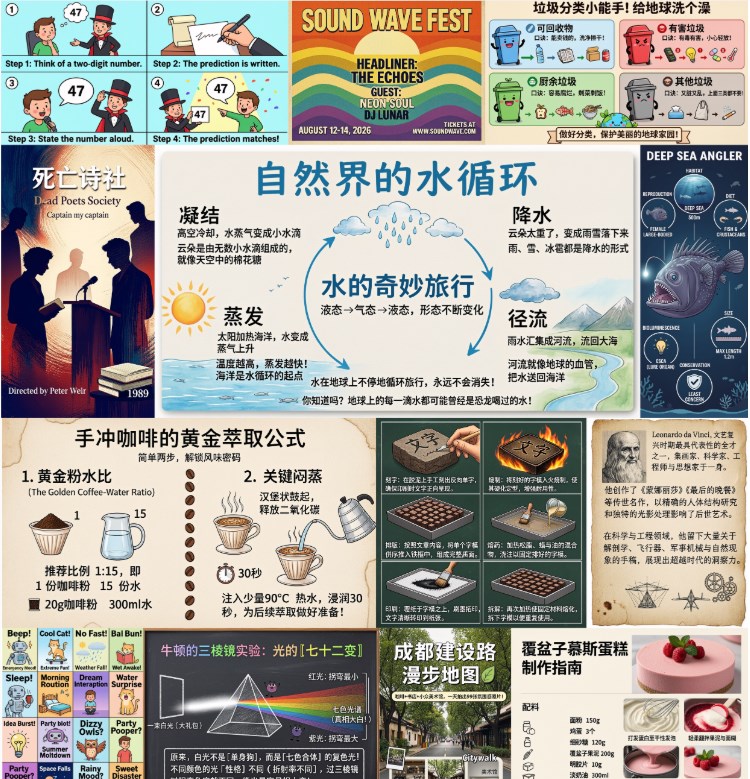
The model introduces an innovative hybrid architecture that merges autoregressive and diffusion approaches. This combination allows GLM-Image to tackle knowledge-intensive creative tasks that have traditionally challenged AI systems - think detailed poster designs, professional PPT layouts, or intricate scientific diagrams.

"We've essentially bridged the gap between language understanding and visual creation," explains a Zhipu spokesperson. "The model doesn't just generate images - it comprehends complex instructions with remarkable nuance."

Dual Capabilities in One Package

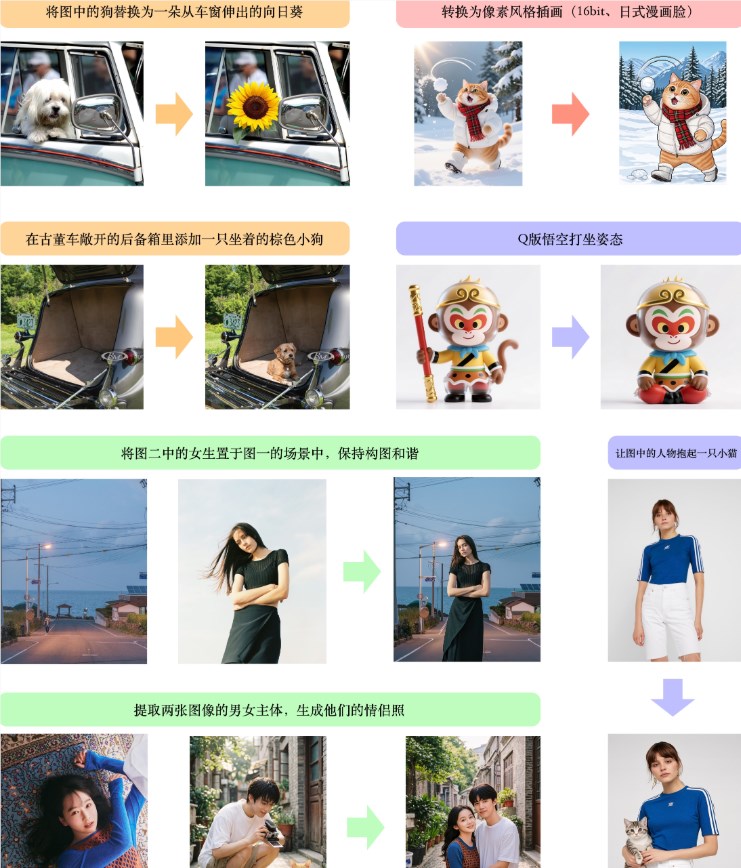
GLM-Image stands out by offering both text-to-image and image-to-image functions:

  • Text prompts transform into highly detailed visuals, especially effective for information-rich scenarios
  • Image inputs can be edited, stylized, or expanded while maintaining consistency across multiple subjects
Image

The system shines particularly bright when handling Chinese characters and complex text-image combinations. Independent benchmarks place it at the top among open-source models for long-text rendering accuracy.

Technical Flexibility Meets Accessibility

One practical advantage? The model automatically adapts to various resolutions from 1024px up to 2048px without requiring additional training. For creators concerned about costs, Zhipu has priced API calls at just ¥0.1 per image - significantly lower than many commercial alternatives.

The complete package is now available on GitHub and Hugging Face:
Image

Why This Matters: Key Takeaways

  1. Homegrown Tech Stack: Entirely trained on Huawei Ascend Atlas800T A2 devices using MindSpore framework - proving domestic hardware can compete globally in AI development.
  2. Chinese Language Specialist: Outperforms competitors in rendering Chinese characters and complex text-image combinations.
  3. Creator-Friendly Pricing: Affordable API access aims to democratize advanced image generation technology.

Enjoyed this article?

Subscribe to our newsletter for the latest AI news, product reviews, and project recommendations delivered to your inbox weekly.

Weekly digestFree foreverUnsubscribe anytime

Related Articles

Tencent's WeDLM Turbocharges AI Reasoning With Diffusion Model Breakthrough
News

Tencent's WeDLM Turbocharges AI Reasoning With Diffusion Model Breakthrough

Tencent's WeChat AI team has unveiled WeDLM, a novel diffusion language model that dramatically speeds up text generation while maintaining quality. By cleverly blending diffusion models with attention mechanisms, this innovation delivers processing speeds up to 10 times faster than current models in certain tasks. Early tests show particular promise for applications requiring quick responses like customer service and real-time Q&A.

January 13, 2026
AI InnovationNatural Language ProcessingTencent Technologies
News

Apple's Safari Design Chief Jumps Ship to AI Browser Startup

Apple's Safari design leader Marco Triverio has joined The Browser Company, marking another high-profile departure from Apple's design team. Triverio, who shaped Safari's privacy controls and navigation features, will reunite with former Apple designer Charlie Deets at the AI-focused startup. The move signals growing competition for top tech talent as companies race to dominate the emerging AI browser market.

January 8, 2026
Tech TalentBrowser WarsAI Innovation
News

UGreen's Smart Home Revolution: AI Cloud, Security & Power at CES 2026

At CES 2026, UGreen unveiled a trio of smart home innovations that could redefine how we live with technology. Their new AI-powered private cloud acts as a digital butler for your files, while smart security cameras now anticipate problems before they happen. The crowning touch? A 300W charger that can power an entire family's devices simultaneously - finally solving our cable clutter woes.

January 7, 2026
Smart Home TechCES 2026AI Innovation
CloudCC AI Revolutionizes Auto After-Sales with 300% Faster Response
News

CloudCC AI Revolutionizes Auto After-Sales with 300% Faster Response

CloudCC's AI platform has made waves by slashing automotive after-sales response times by 300%, earning a spot on the prestigious Global Enterprise AI Vendor Map. The system combines NLP and knowledge graphs to transform service efficiency, while China's enterprise AI market surges past 18 billion yuan. From instant fault diagnosis to automated maintenance plans, this technology is redefining what's possible in customer service.

January 7, 2026
AI InnovationAutomotive TechEnterprise Solutions
NVIDIA Takes the Wheel: Open-Source AI Model Accelerates Self-Driving Future
News

NVIDIA Takes the Wheel: Open-Source AI Model Accelerates Self-Driving Future

At CES 2026, NVIDIA's CEO Jensen Huang unveiled Alpamayo, the company's groundbreaking open-source AI model for autonomous vehicles. This move could democratize self-driving technology while challenging Chinese automakers' dominance. The release includes simulation tools and extensive driving data, signaling NVIDIA's push to reclaim leadership in automotive AI.

January 6, 2026
Autonomous VehiclesAI InnovationNVIDIA
China Telecom Takes AI Leap with Homegrown TeleChat3 Model
News

China Telecom Takes AI Leap with Homegrown TeleChat3 Model

China Telecom has unveiled TeleChat3, its latest AI model boasting full domestic development from chips to frameworks. Trained on a staggering 150 trillion tokens using China's own computing infrastructure, this model introduces innovative 'Thinking Mode' for transparent reasoning. The open-source release marks a significant step in China's push for AI self-reliance.

January 5, 2026
AI InnovationChinese TechnologyOpen Source AI