
Tnkr: The GitHub for Robots Arrives, Democratizing Robotics Development

A New Era for Robotics Collaboration

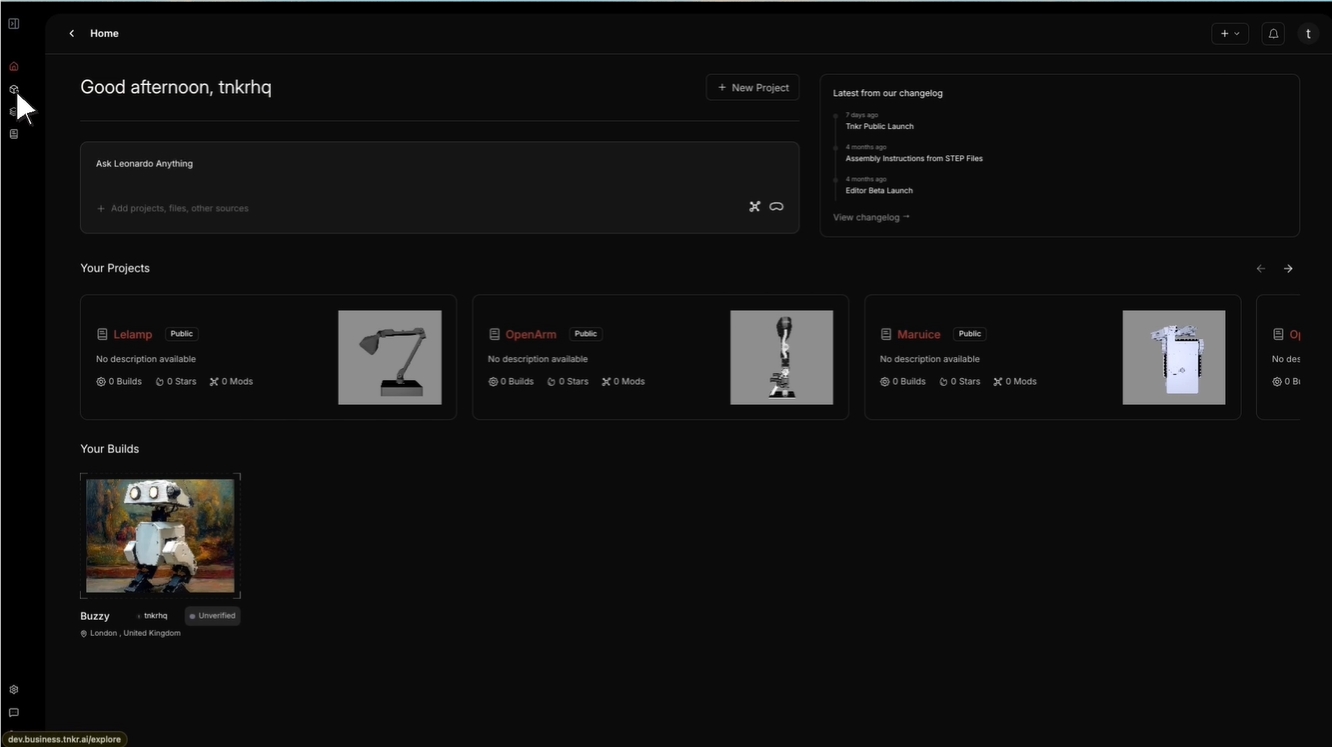
In what could be the biggest leap for robotics since ROS, the Tnkr platform has arrived to shatter the barriers of robot development. Forget juggling between CAD software, code editors and AI training tools - Tnkr brings everything under one roof in an open-source ecosystem that feels refreshingly familiar to anyone who's worked with GitHub.

Ending the Robotics Jigsaw Puzzle

"Traditional robot development was like trying to complete a puzzle with pieces scattered across different rooms," explains one early adopter. Tnkr changes this by allowing developers to package entire robot projects - from 3D assembly drawings to trained AI models - into shareable units. The platform's killer feature? Others can not only replicate your robot with a click but contribute improvements, creating a virtuous cycle of innovation.
Image

Your AI-Powered Robotics Mentor

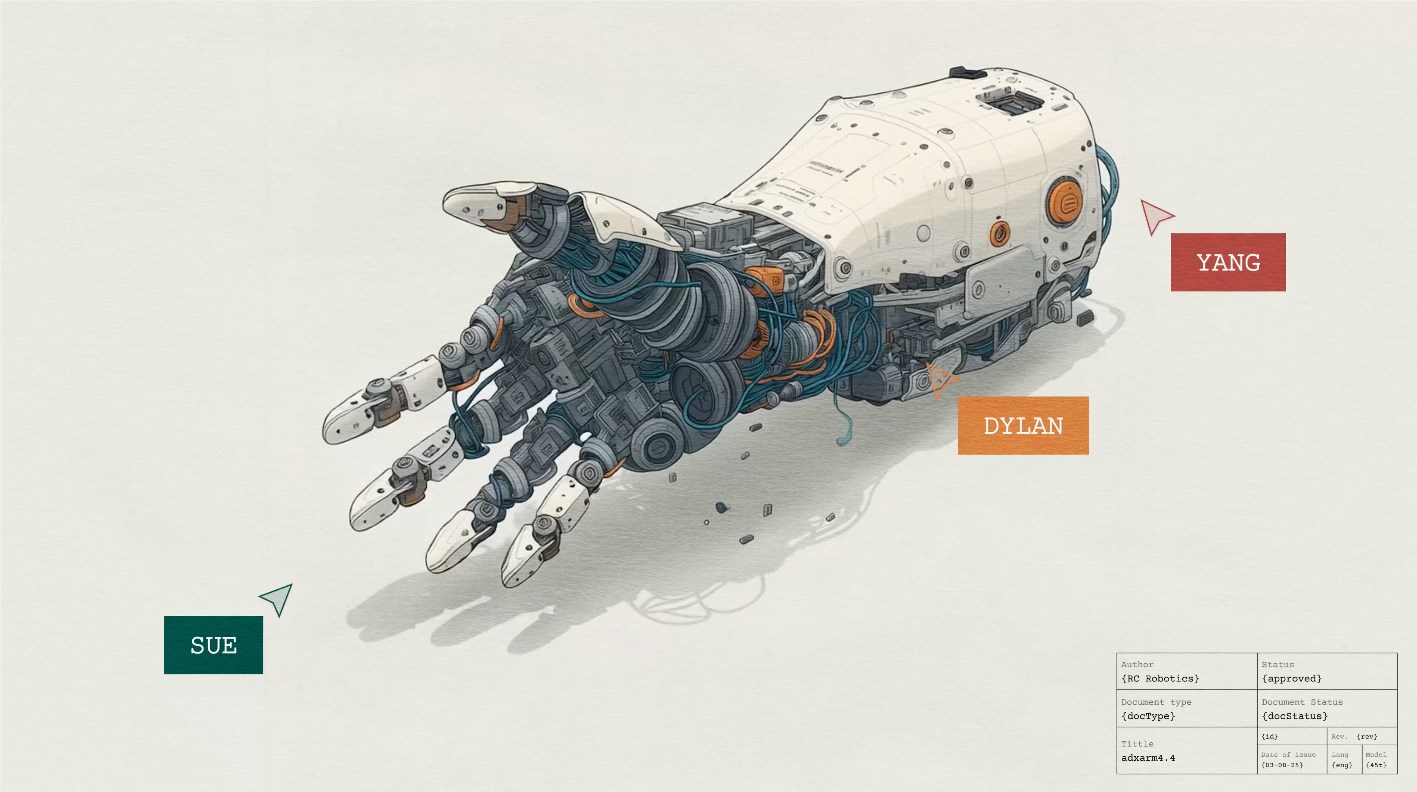
At the heart of Tnkr is Leonardo, an AI engineering assistant that feels like having a robotics expert looking over your shoulder 24/7. Upload your assembly videos or CAD files, and Leonardo will:

  • Generate interactive installation guides
  • Flag potential structural errors in real-time
  • Convert messy operation videos into precise step-by-step instructions (think "tighten this screw into the third hole" levels of detail)

"It's lowered our onboarding time for new team members by about 70%," reports a university lab researcher testing the platform.
Image

The Remix Revolution Begins

The platform already hosts diverse open-source projects from quadruped robots to humanoid platforms. This "remix" culture - where developers build on each other's work - could do for robotics what GitHub did for software. Picture this: A home care assistant robot combining a Brazilian mechanical arm design, German gait algorithms, and Japanese operational data - all collaboratively improved by a global community.

Key Points:

  • Unified Ecosystem: First platform to integrate hardware, software, data and AI models seamlessly
  • AI Assistance: Leonardo provides real-time guidance throughout development
  • Collaboration Boost: Enables GitHub-style sharing and improvement of physical robots
  • Tool Integration: Works with Onshape, SolidWorks and other industry standards
  • Global Potential: Could accelerate robotics innovation through open collaboration

Enjoyed this article?

Subscribe to our newsletter for the latest AI news, product reviews, and project recommendations delivered to your inbox weekly.

Weekly digestFree foreverUnsubscribe anytime

Related Articles

News

Google Boosts Medical AI with Open-Source Imaging and Voice Tools

Google has unveiled MedGemma 1.5, an upgraded open-source AI model that now interprets medical images alongside text, and MedASR, a voice recognition tool tailored for clinical settings. These releases mark Google's push to make medical AI more accessible and practical for healthcare providers. The tools aim to streamline diagnosis and reduce documentation burdens while maintaining strict privacy standards.

January 14, 2026
medical AIhealthcare technologyopen source
Robots That Learn Like Humans: 1X Unveils Breakthrough AI Model
News

Robots That Learn Like Humans: 1X Unveils Breakthrough AI Model

Robotics startup 1X has introduced its groundbreaking 'World Model' AI system, designed to teach humanoid robots new skills through video observation. Unlike traditional programming, this approach enables robots to continuously evolve their capabilities by analyzing real-world physics and actions. The Neo robot, set for commercial release in 2025, could soon be learning tasks much like humans do - by watching and practicing.

January 14, 2026
roboticsAIlearninghumanoidrobots
News

Boston Dynamics and Google DeepMind Team Up to Power Next-Gen Atlas Robots

In a groundbreaking move, Boston Dynamics is partnering with Google DeepMind to integrate the Gemini Robotics AI model into its next-generation Atlas humanoid robot. This collaboration combines Boston Dynamics' unmatched robotic mobility with Google's advanced AI reasoning capabilities, potentially transforming Atlas from an acrobatic marvel into a truly autonomous helper capable of understanding complex instructions and adapting to new environments.

January 6, 2026
roboticsartificial intelligencetech innovation
Atlas Robots Take Their First Factory Jobs in Landmark AI Deployment
News

Atlas Robots Take Their First Factory Jobs in Landmark AI Deployment

Boston Dynamics' famous dancing robot has grown up. The fully electric Atlas humanoid is now rolling off production lines, with Hyundai and Google DeepMind getting the first units. These industrial-strength robots can lift 50kg, withstand extreme temperatures, and may soon be assembling your next car. It's a turning point for robotics that once seemed decades away.

January 6, 2026
roboticsAIindustrial automation
Robots Steal the Show at Hunan TV's New Year Concert
News

Robots Steal the Show at Hunan TV's New Year Concert

Zhiyuan's robot troupe 'Wen Wu' dazzled audiences at Hunan TV's New Year Eve concert, performing alongside human stars Wang Xinling and Wang Hedie. The four-robot team showcased singing, dancing, and even acrobatics while demonstrating remarkable coordination with their human counterparts. Beyond stage performances, they engaged viewers through live-stream interactions, hinting at future possibilities for entertainment robotics.

January 4, 2026
roboticsentertainment technologyAI performance
Robots Gain 3D Vision with New GeoVLA Framework
News

Robots Gain 3D Vision with New GeoVLA Framework

Researchers at Yueli Lingji have developed GeoVLA, a breakthrough framework that gives robots true 3D perception capabilities. Unlike traditional vision-language-action models limited to flat images, GeoVLA combines semantic understanding with spatial awareness through innovative dual-stream architecture. Early tests show remarkable accuracy improvements in both simulated and real-world environments.

December 25, 2025
roboticscomputer visionAI innovation