
Tencent's Billion-Red Envelope Gamble Hits WeChat Roadblock

Tencent's Red Envelope Campaign Sparks Internal Platform Conflict

In a surprising twist during China's peak digital gifting season, Tencent found itself at odds with its own products. The tech giant's AI application "Yuanbao" recently had its red envelope sharing feature blocked on WeChat - Tencent's flagship messaging platform - creating waves across social media.

The Billion-Red Envelope Ambition

Yuanbao had launched an aggressive "10 billion red envelope" campaign for Spring Festival, personally endorsed by Tencent chairman Pony Ma. The promotion allowed users to increase their chances of winning (up to 30 times) by sharing links that invited others to claim red envelopes.

The strategy worked too well. Floods of shared links quickly overwhelmed WeChat groups and Moments, triggering user complaints about spam and ecosystem disruption.

WeChat Draws the Line

The official WeChat account "WeChat Daily" clarified that Yuanbao's campaign violated platform rules against "task completion" induced sharing. Despite internal discussions acknowledging differences from malicious marketing, WeChat enforced its policies uniformly.

"Tencent isn't afraid to penalize even its own products," netizens observed, noting this demonstrated WeChat's commitment to fair ecosystem governance.

The Password Workaround

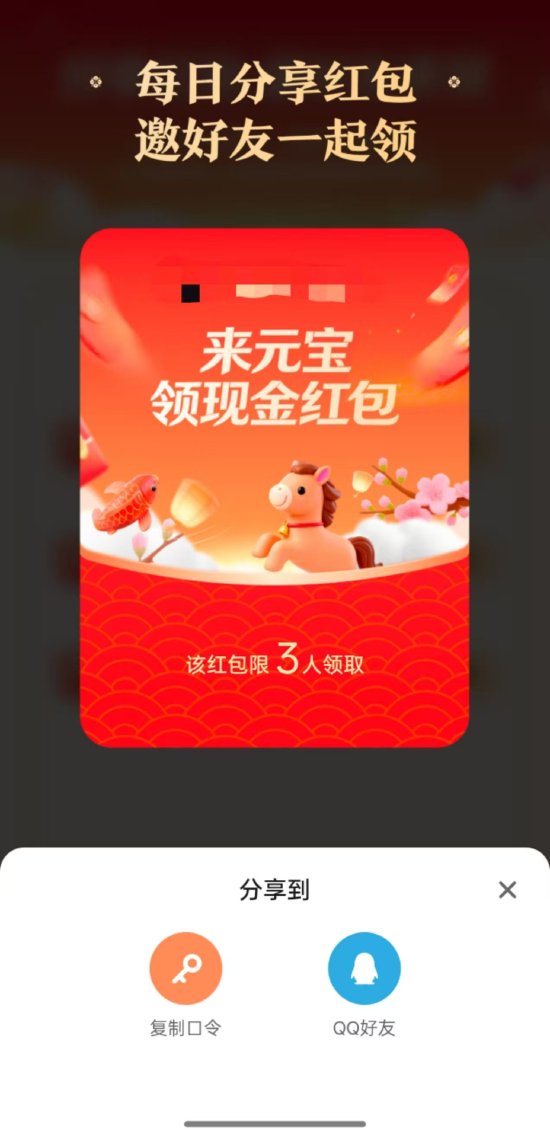
Responding with remarkable speed, the Yuanbao team rolled out an alternative "password red envelope" system within hours of the ban. This new format bypasses link sharing restrictions while maintaining campaign momentum.
Image

Beyond the Cash Incentive Hype

While the red envelope blitz temporarily boosted Yuanbao downloads, industry watchers question whether monetary rewards can translate to lasting engagement. As China's AI model competition intensifies, most agree that technical capability and practical utility - not just festive promotions - will determine which platforms survive long-term.

This internal clash also highlights the delicate balance tech giants must strike between nurturing new ventures and protecting core platform experiences.

Key Points:

  • Tencent's Yuanbao app saw its WeChat sharing feature blocked during major red envelope campaign
  • Rapid pivot to password-protected red envelopes implemented as alternative solution
  • Incident demonstrates WeChat's strict enforcement of anti-spam policies, even for sister products
  • Questions remain about sustainability of cash incentive strategies in competitive AI market

Enjoyed this article?

Subscribe to our newsletter for the latest AI news, product reviews, and project recommendations delivered to your inbox weekly.

Weekly digestFree foreverUnsubscribe anytime

Related Articles

News

WeChat Prepares to Roll Out Its Own AI Model This Year

WeChat, Tencent's ubiquitous messaging platform, is reportedly developing its own independent AI model set for release later this year. The move aims to reduce reliance on third-party systems while enhancing WeChat's mini-program ecosystem. Alongside this development, Tencent is testing an AI assistant that could transform WeChat into a comprehensive digital life interface.

March 12, 2026
WeChatAI DevelopmentTencent
Tencent's WorkBuddy Now Lets You Control Your PC from WeChat
News

Tencent's WorkBuddy Now Lets You Control Your PC from WeChat

Tencent's AI assistant WorkBuddy just got a major upgrade, allowing users to remotely control their office computers through WeChat. The update introduces mobile voice commands, scheduled tasks, and enhanced security features. Whether you need to pull reports or draft documents, your AI assistant can now handle it anytime, anywhere - even offering 5,000 free credits for new users to try these features.

March 12, 2026
TencentAI ProductivityRemote Work
Tencent Defends Mirror Site Amid OpenClaw Data Scraping Controversy
News

Tencent Defends Mirror Site Amid OpenClaw Data Scraping Controversy

Tencent has responded to accusations from OpenClaw developer Peter Steinberger, who claims the tech giant scraped his platform's data without permission. While Tencent maintains its SkillHub mirror site actually reduced traffic pressure on the original by 99%, the dispute highlights ongoing tensions between open-source developers and corporate ecosystem expansion in the AI boom.

March 12, 2026
OpenClawTencentAI Ethics
Tencent's WorkBuddy Gets Smarter: Now Plays Nice With WeChat
News

Tencent's WorkBuddy Gets Smarter: Now Plays Nice With WeChat

Tencent's desktop AI assistant WorkBuddy just leveled up. The new version lets users connect seamlessly with WeChat - just scan a QR code to control tasks remotely. Beyond smoother integrations with QQ and Feishu, WorkBuddy now handles automated workflows like report generation and meeting notes. Tencent's pushing hard to make AI assistants more useful where we actually work.

March 12, 2026
TencentAI assistantworkplace automation
News

Tencent Unveils SkillHub: A Chinese AI Community Packed with 13,000 Ready-to-Use Tools

Tencent has launched SkillHub, a specialized AI community tailored for Chinese developers and users. This platform tackles common pain points like slow downloads and language barriers by offering localized solutions, high-speed mirrors, and curated skill rankings. With over 13,000 AI skills spanning productivity to lifestyle services, SkillHub aims to accelerate China's AI adoption while prioritizing security and privacy.

March 12, 2026
TencentAI CommunityChinese Tech
Tencent's WorldCompass Helps AI Models Navigate Complex Commands
News

Tencent's WorldCompass Helps AI Models Navigate Complex Commands

Tencent has open-sourced WorldCompass, a reinforcement learning framework that dramatically improves how AI world models understand and execute complex instructions. This breakthrough solves persistent accuracy issues, boosting performance by over 35% in challenging scenarios. The technology marks a shift from pure pre-training to sophisticated fine-tuning approaches.

March 11, 2026
AI developmentTencentmachine learning