
Qwen AI Glasses Get Smarter: Latest Update Adds Handy New Features

Qwen AI Glasses Upgrade Brings Smarter Features

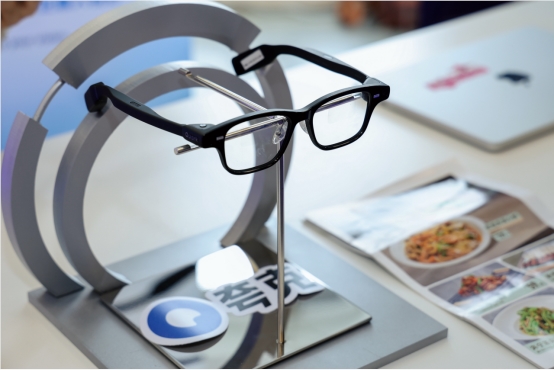
The Qwen AI Glasses have taken a significant leap forward with their first over-the-air update released on December 31st. This isn't just your typical bug fix - it's packed with genuinely useful enhancements that make the glasses smarter and more versatile.

What's New in Your Smart Glasses

Audio Notes Get Supercharged

The upgraded audio recording feature now captures sound clearly within a 10-meter radius thanks to advanced noise cancellation technology. Imagine sitting in a busy café and still being able to record crisp meeting notes hands-free. The glasses can even distinguish between different speakers and automatically highlight key discussion points.
Image

Never Forget Where You Parked Again

The new visual memo feature solves one of life's little frustrations. Simply say "Qwen, help me note the parking spot" when you park your car, and your glasses will snap a photo and log the location automatically. More impressively, the system learns your habits - ask "What furniture have I wanted to buy this month?" and it'll compile all your related notes.

Multitasking Made Easy

Most smart assistants stumble when you ask them to do multiple things at once. Not anymore. These upgraded glasses can handle compound requests like:

  • "Navigate to work and play my morning playlist"
  • "Remind me about tomorrow's 8 AM meeting and my 9 AM flight"

The system intelligently coordinates between maps, music apps, and calendars - finally delivering on the promise of truly helpful AI assistance.

Breaking Language Barriers

The translation feature now supports an impressive 89 languages, from common ones like French and German to less widely spoken tongues. Whether you're traveling abroad or working with international colleagues, these glasses could become your go-to interpreter.

Getting the Update

The upgrade rolls out through the Quark AI Glasses app - just tap to install. Alongside the new features comes a user community where early adopters share tips and compete in photography challenges.

As Alibaba pushes its Qwen AI assistant across multiple devices, this update shows how smart glasses are evolving from novelty gadgets into genuinely useful tools.

Key Points:

  • Enhanced audio recording with speaker identification (10m range)
  • Visual memos for parking spots and other location-based reminders
  • Multi-step commands finally work properly
  • 89-language translation covers most travel needs
  • Automatic organization of notes by topic or timeline

Enjoyed this article?

Subscribe to our newsletter for the latest AI news, product reviews, and project recommendations delivered to your inbox weekly.

Weekly digestFree foreverUnsubscribe anytime

Related Articles

Tsinghua's Smart Glasses Detect and Stop Facial Twitches Instantly
News

Tsinghua's Smart Glasses Detect and Stop Facial Twitches Instantly

Researchers at Tsinghua University have created revolutionary smart glasses that monitor facial muscle movements and automatically deliver relief when spasms occur. The lightweight wearable device, featured in Nature Communications, uses advanced sensors to detect subtle twitches before triggering gentle electrical stimulation. Early trials show the system significantly improves quality of life for people with hemifacial spasm, offering a convenient alternative to invasive treatments.

January 14, 2026
wearable techmedical innovationneurological disorders
News

CES 2026 Unveils Comfort Standards Transforming Wearable Tech

The smart wearable industry took a major leap forward at CES 2026 with the release of groundbreaking comfort standards. Major players like iFlytek and Huawei collaborated with SGS to establish measurable criteria for what makes devices comfortable to wear - solving a long-standing consumer pain point. iFlytek's AI earphones became the first product to earn SGS's highest comfort certification, setting a new benchmark.

January 12, 2026
wearable techCES innovationshuman-centered design
ASUS ROG and XREAL Unveil Game-Changing AR Glasses at CES
News

ASUS ROG and XREAL Unveil Game-Changing AR Glasses at CES

ASUS ROG and XREAL have teamed up to create the ROG XREAL R1 AR gaming glasses, featuring a groundbreaking 240Hz refresh rate for ultra-smooth gameplay. These lightweight glasses project a massive virtual screen equivalent to a 171-inch display, revolutionizing how gamers experience their favorite titles. With innovative features like electrochromic lenses and Bose-tuned audio, they promise immersive gaming anywhere.

January 6, 2026
AR gamingwearable techCES innovations
News

ByteDance's DouBao AI Glasses Set for Limited Release

ByteDance is gearing up to ship its highly anticipated DouBao AI glasses, but with a twist - the first batch of 100,000 units will be exclusively available to existing DouBao App users. Powered by Qualcomm's Snapdragon AR1 chip, these lightweight glasses focus on audio functionality without a display screen. While the company remains tight-lipped about broader sales plans, industry insiders reveal development is already underway for a second-generation model.

January 6, 2026
wearable techartificial intelligenceByteDance
News

ByteDance's Doubao AI Glasses Set to Shake Up Wearable Tech Market

ByteDance is making waves in wearable tech with its upcoming Doubao AI glasses, developed in partnership with Longqi Technology. These sleek glasses feature a custom chip for seamless voice interaction and translation, while keeping weight and price low. Unlike standalone devices, they smartly leverage your smartphone's power through the Doubao app. Priced under 2000 yuan, they could make AI glasses mainstream accessories rather than niche gadgets.

January 5, 2026
wearable technologyAI hardwareByteDance
Smart Glasses Get Government Boost: Subsidies Make AI Wearables More Affordable
News

Smart Glasses Get Government Boost: Subsidies Make AI Wearables More Affordable

China takes a big step toward mainstream adoption of AI glasses by including them in national consumer subsidies. Starting Q1 2026, buyers can get up to 15% off qualifying models from brands like Huawei and Xiaomi. The move aims to accelerate adoption in healthcare, industry, and daily life while boosting domestic tech innovation.

January 5, 2026
AI wearablestech policyconsumer electronics