Nanjing Buses Adopt AI for Smarter Scheduling with Ant Digital

Nanjing Buses Leverage AI for Enhanced Scheduling Efficiency

Nanjing's public transportation system is undergoing a significant transformation with the introduction of AI-driven scheduling technology, developed in collaboration with Ant Digital. The newly launched 'Bus Network Optimization Intelligent Agent' represents China's first deep integration of AI into public transport operations, promising more efficient and data-backed route planning.

From Experience to Intelligence: A New Era for Public Transport

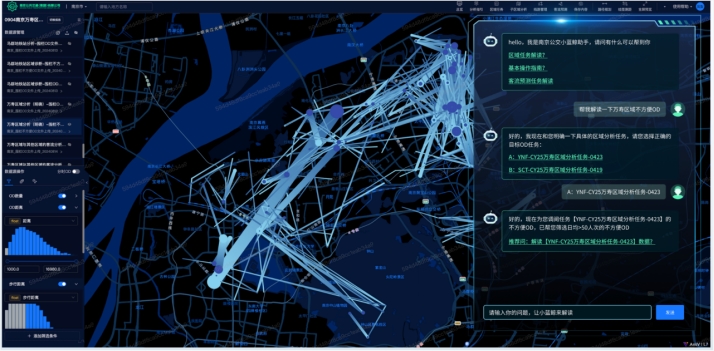
The system, dubbed 'Xiao Lan Jing', utilizes multidimensional data analysis—including station locations, passenger flow patterns, and route efficiency—to optimize bus networks. This shift from traditional experience-based decision-making to AI-powered intelligent planning addresses long-standing challenges such as:

  • Rush hour capacity adjustments
  • Route realignments for better connectivity
  • Passenger flow predictions

Image Figure: Nanjing Bus Intelligent Agent Xiao Lan Jing

Phase I Successes and Phase II Ambitions

Since its initial implementation in 2022, the AI system has already demonstrated measurable success:

  • Assisted in launching 30+ micro-loop routes
  • Added 84 new pick-up points
  • Optimized Line 210 serving nearly 50% elderly passengers with reduced transfer times

The upcoming Phase II will incorporate Ant Digital's advanced AI Intelligent Agent technology, featuring:

  1. Multimodal recognition capabilities
  2. Enhanced semantic understanding
  3. Advanced logical reasoning algorithms
  4. Knowledge enhancement systems
  5. Agent tool scheduling functions

The upgraded system will generate comprehensive reports including route plans, station layouts, and economic feasibility analyses through simple natural language commands.

Real-world Impact: Beyond Commuters to Tourism

The AI-optimized Line 210 serves as a prime example of the system's broader benefits. While primarily designed for daily commuters, the route also connects multiple tourist attractions including:

  • Xiaguan Wharf
  • Caihong Bridge

The line maintains consistent ridership on weekends—an unexpected but welcome outcome of the AI-driven optimization.

Technical Foundations for Future Growth

The Phase II implementation will employ a hybrid approach combining:

  • A large bus model for general analysis
  • Vertical small models for specific scenarios like:
    • Micro-loop buses
    • Bus-metro connections
    • Route operation optimization

This technical architecture ensures both broad applicability and precise optimization for Nanjing's unique transportation challenges.

Key Points:

  1. Nanjing becomes China's first city to deeply integrate AI agents into public transport scheduling.
  2. The 'Xiao Lan Jing' system analyzes multiple data dimensions to replace experience-based decisions with data-driven solutions.
  3. Phase I results include 30+ new routes and improved service for elderly passengers.
  4. Phase II will introduce more advanced AI capabilities through Ant Digital's technology.
  5. The system benefits both daily commuters and tourism through optimized route planning.

Enjoyed this article?

Subscribe to our newsletter for the latest AI news, product reviews, and project recommendations delivered to your inbox weekly.

Weekly digestFree foreverUnsubscribe anytime

Related Articles

Dubai Welcomes Baidu's Driverless Future with Historic Apollo Go Launch
News

Dubai Welcomes Baidu's Driverless Future with Historic Apollo Go Launch

Baidu's Apollo Go has made history in Dubai, securing the Middle East's first fully driverless testing permit. The Chinese tech giant simultaneously opened its inaugural overseas operations hub in the city, capable of supporting over 1,000 autonomous vehicles. This milestone accelerates Dubai's smart mobility ambitions while showcasing Baidu's rapid global expansion in self-driving technology.

January 7, 2026
autonomous vehiclessmart citiestransportation innovation
News

Gaode Ride-Hailing Rolls Out AI Safety Net for Luxury Rides

Gaode Taxi has upgraded its safety system with AI-powered 'Service Defender,' offering minute-by-minute monitoring for premium rides in Beijing, Shanghai, Hangzhou, and Chengdu. The system detects risks like erratic driving or long silences, triggering instant responses from gentle reminders to emergency protocols. This marks a shift from reactive complaints to proactive protection, especially valuable for high-end vehicles that often operate at night.

January 5, 2026
ride-hailing safetyAI in transportationsmart mobility
San Francisco Blackout Freezes Waymo's Robotaxi Fleet, Revealing Tech Vulnerabilities
News

San Francisco Blackout Freezes Waymo's Robotaxi Fleet, Revealing Tech Vulnerabilities

A power outage in San Francisco turned the city's streets into a parking lot for Waymo's autonomous taxis. The blackout, caused by a substation fire, left hundreds of self-driving cars stranded mid-route, creating traffic chaos and raising questions about the technology's reliance on infrastructure. While Waymo suspended services, they remained silent on why their vehicles couldn't handle the outage - leaving experts to speculate about communication failures and safety protocols gone wrong.

December 22, 2025
autonomous vehiclesurban infrastructuretechnology failure
Your Next Road Trip Just Got Smarter: Tongyi App Teams Up With AutoNavi
News

Your Next Road Trip Just Got Smarter: Tongyi App Teams Up With AutoNavi

Alibaba's Tongyi app has joined forces with AutoNavi Maps to transform how we navigate cities. The integration brings AI-powered travel planning to your fingertips - from finding the perfect lunch spot along your route to solving electric vehicle range anxiety. Forget tedious map searches; now you can simply chat with the app to get personalized recommendations that fit your schedule and preferences.

December 18, 2025
smart navigationAI travelTongyi App
News

Chongqing Bets Big on AI with New Smart Device Push

Chongqing unveils an ambitious AI development plan targeting smarter everyday tech. The initiative focuses on upgrading phones, computers, home appliances and wearables with true artificial intelligence capabilities. Rather than just connecting devices to networks, the city aims to create products that anticipate user needs through advanced learning algorithms. The strategy also explores new robot services and AI-first business models across personal, home and commercial settings.

December 17, 2025
AI developmentsmart citiesconsumer technology
News

Shenzhen Metro's AI Guide Dog 'Xiaosuan' Gives Visually Impaired Passengers New Freedom

Shenzhen Metro has introduced a groundbreaking AI-powered guide dog named 'Xiaosuan' at Huangmugang station, offering visually impaired travelers unprecedented independence. The robotic assistant combines cutting-edge navigation tech with voice recognition to safely guide users through the transit hub. Early testers describe it as 'like having eyes' that understand their needs. This world-first innovation could redefine accessible transit globally.

December 15, 2025
accessible technologyAI innovationurban mobility