
Chai-2 AI Model Boosts Antibody Design with 16-20% Hit Rate

Chai Discovery's AI Breakthrough: Chai-2 Model Achieves Unprecedented Antibody Design Success

In a landmark development for computational biology, Chai Discovery unveiled its Chai-2 artificial intelligence model on June 30, 2025. The system demonstrates remarkable capabilities in zero-shot antibody design, achieving an experimental hit rate of 16-20% - a staggering improvement over the 0.1% industry standard for conventional methods.

How Chai-2 Works: A Technical Leap Forward

The model employs a multimodal generation architecture that uniquely combines:

  • All-atom structure prediction
  • Advanced generative modeling

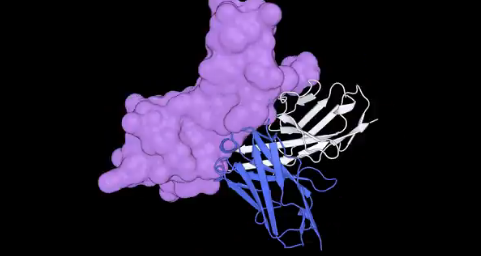
This integration allows Chai-2 to design antibody complementarity determining regions (CDRs) from scratch using only target structure and epitope data. Image
"What sets Chai-2 apart is its complete independence from templates or high-throughput screening," explained an industry analyst reviewing the whitepaper. "The system can deliver nanomolar-affinity antibodies with drug-like properties in just two weeks - a process that traditionally takes months."

Performance Metrics and Testing Results

In rigorous testing scenarios:

  • Achieved success across all five microprotein targets tested
  • Demonstrated superior performance in 52 unsolved antigen challenges
  • Maintained consistent results across varying molecular complexities

The model's ability to handle microprotein targets - historically difficult for conventional methods - has particularly excited researchers. Image
Industry Impact and Future Development

While Chai Discovery hasn't open-sourced the technology, they've committed to:

  1. Academic and industry collaborations through partnership programs
  2. Ongoing dataset expansion to improve complex antigen performance
  3. Algorithm refinement for better generalization capabilities

Social media buzz suggests strong optimism about Chai-2's potential to accelerate development of:

  • Cancer therapeutics
  • Infectious disease preventatives
  • Personalized medicine solutions

The company plans to integrate additional AI technologies, aiming to build a comprehensive molecular design platform that could transform pharmaceutical R&D pipelines.

Key Points:

  • 16-20% hit rate vs. 0.1% industry standard
  • Two-week turnaround from design to validation
  • Zero-shot capability requires no templates or screening
  • Successful across all tested microprotein targets
  • Potential to significantly reduce drug development costs

Enjoyed this article?

Subscribe to our newsletter for the latest AI news, product reviews, and project recommendations delivered to your inbox weekly.

Weekly digestFree foreverUnsubscribe anytime

Related Articles

News

Tsinghua's AI Breakthrough Speeds Drug Discovery by a Million Times

Scientists at Tsinghua University have revolutionized drug discovery with DrugCLIP, an AI-powered platform that screens potential medications a million times faster than traditional methods. The team analyzed half a billion molecules across 10,000 protein targets - covering nearly the entire human genome - and made their massive database freely available to researchers worldwide.

January 9, 2026
AI drug discoveryTsinghua Universitypharmaceutical innovation
AI Pharma Startup Chai Discovery Hits $1.3B Valuation After Major Funding Round
News

AI Pharma Startup Chai Discovery Hits $1.3B Valuation After Major Funding Round

Chai Discovery, an AI-powered drug development startup backed by OpenAI, has joined the unicorn club after securing $130 million in Series B funding. The company's innovative approach uses foundational models to design novel drug molecules from scratch, achieving breakthroughs with its Chai2 model that outperforms traditional methods. With strong investor support and rapid technological progress, Chai is positioning itself at the forefront of AI-driven pharmaceutical innovation.

December 16, 2025
AI pharmaceuticalsdrug discoverybiotech startups
MIT and Harvard Unveil Lyra: A Breakthrough in Biological Sequence Modeling
News

MIT and Harvard Unveil Lyra: A Breakthrough in Biological Sequence Modeling

Researchers from MIT, Harvard, and Carnegie Mellon have developed Lyra, an efficient biological sequence modeling method that reduces parameters by 1/120,000th and trains in just two hours. The hybrid model achieves state-of-the-art performance in protein prediction, RNA analysis, and CRISPR design.

March 28, 2025
computational biologyAI researchbiotechnology
Alibaba's Qwen Hits 100 Million Users Faster Than Expected
News

Alibaba's Qwen Hits 100 Million Users Faster Than Expected

Alibaba's AI assistant Qwen has reportedly crossed 100 million monthly active users just two months after launch, signaling strong adoption among students and professionals. While Alibaba hasn't confirmed the numbers, the rapid growth suggests China's appetite for AI tools is heating up. The app represents Alibaba's strategic push into consumer AI markets.

January 14, 2026
AlibabaAI AssistantsConsumer Tech
Anthropic's Cowork: An AI Assistant Built by AI in Just 10 Days
News

Anthropic's Cowork: An AI Assistant Built by AI in Just 10 Days

Anthropic has unveiled Cowork, a groundbreaking coding assistant developed primarily by its own AI model Claude in just over a week. Designed to help non-programmers complete technical tasks through simple voice commands, the tool represents a significant leap in making programming accessible. While still in alpha, Cowork's rapid development showcases the potential of AI-assisted creation - though users should be cautious about its file access capabilities.

January 14, 2026
AI developmentprogramming toolsAnthropic
PixVerse R1 Brings Virtual Worlds to Life with Real-Time 1080P Video
News

PixVerse R1 Brings Virtual Worlds to Life with Real-Time 1080P Video

Aishikeji's groundbreaking PixVerse R1 model is transforming digital creation by making virtual worlds instantly interactive. Combining three innovative technologies, it enables seamless real-time generation of high-definition environments where users can co-create content on the fly. From gaming to filmmaking, this technology promises to revolutionize how we interact with digital spaces.

January 14, 2026
virtual realityAI innovationreal-time rendering