
Baidu's AI Reveals Our Work Obsessions for 2025

How Work Became Our Collective Obsession in 2025

Image

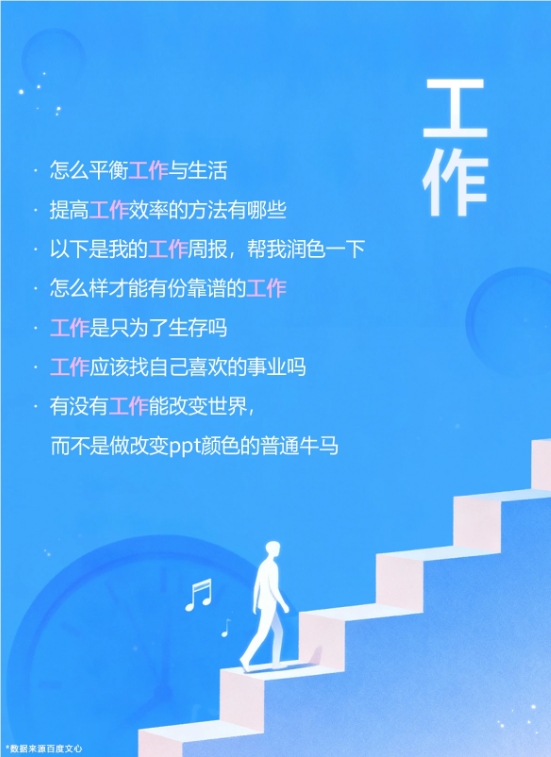
Baidu's Wenyin AI has identified "work" as the defining prompt word of 2025, marking a significant shift from last year's dominant theme of seeking "answers". This evolution in user queries offers fascinating insights into our changing relationship with technology and self-understanding.

From Answers to Action

The contrast between years couldn't be sharper. In 2024, people turned to AI primarily for guidance - asking about life's big questions, personal growth strategies, and existential dilemmas. These interactions weren't just one-way streets; they helped train AI systems to better comprehend human emotions and reasoning patterns.
Image

The Work Paradox Emerges

As calendars flipped to 2025, a new preoccupation surfaced. Millions began pouring their career anxieties and aspirations into conversations with Wenyin AI. The data reveals a generation simultaneously hopeful about their professional futures yet anxious about finding meaningful work in an increasingly complex world.

The "work" theme didn't emerge alone. It arrived surrounded by related concerns:

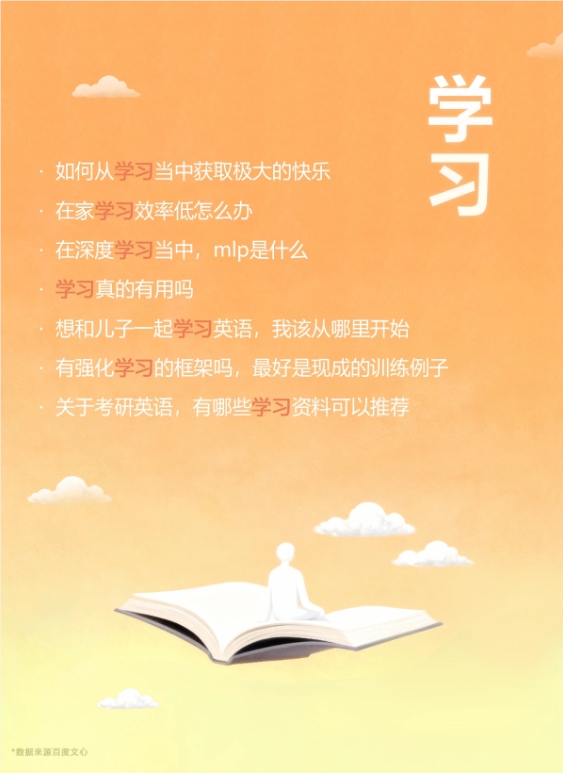
  • Learning: Continuous skill development pressures
  • Self: Maintaining identity amidst professional demands
  • Improvement: The relentless pursuit of betterment
  • Plan: Structuring uncertain career paths

The sheer variety of these companion terms suggests we're not just thinking about jobs - we're wrestling with work's role in shaping our identities and life satisfaction.
Image

Reading Between the Prompts

The prompt words collectively sketch an emotional landscape where excitement battles apprehension. People aren't just asking how to work more efficiently; they're questioning why they work at all and what constitutes meaningful labor.

Themes like "life" and "why" frequently appearing alongside "work" indicate profound soul-searching happening through these digital interactions. Each query forms part of a broader societal conversation about balancing productivity with purpose.
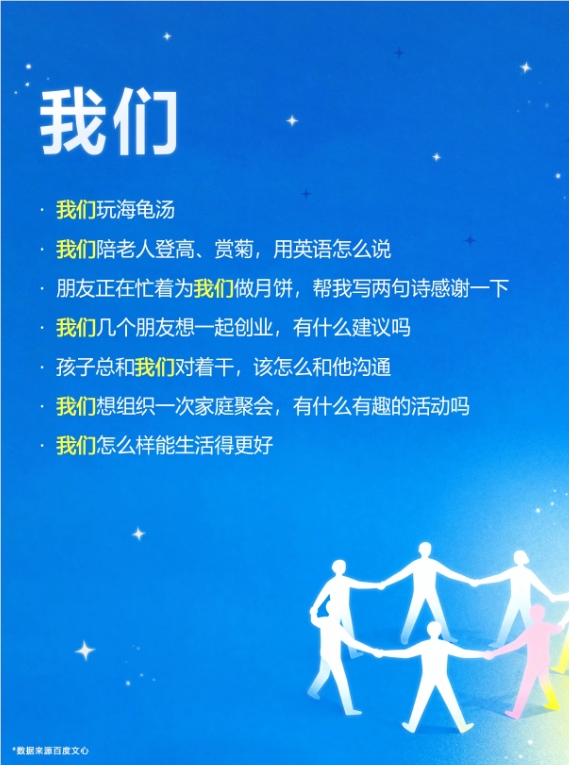
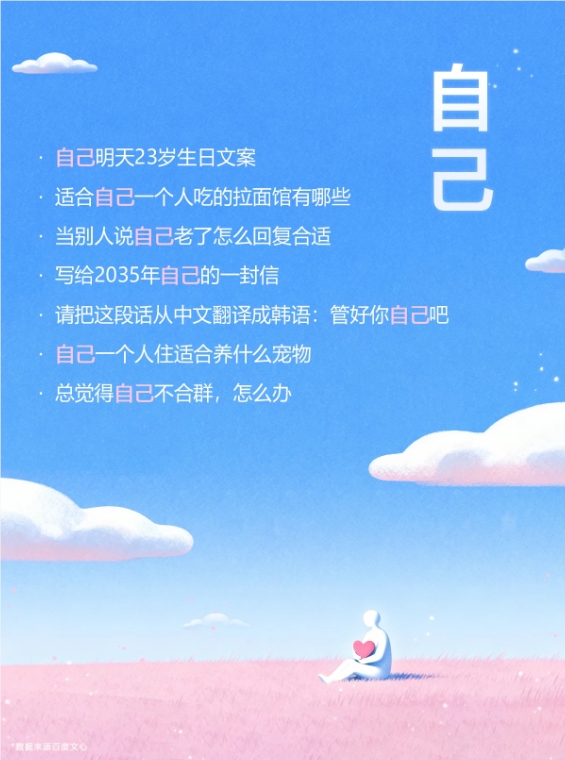
Image Image

Key Takeaways:

  1. Shift in priorities: From seeking answers (2024) to pursuing meaningful action (2025)
  2. Career anxieties dominate: Work-related concerns now shape most AI interactions
  3. Holistic approach emerging: People connect professional questions to broader life considerations
  4. AI as mirror: Our prompts reveal collective hopes and fears about modern employment
  5. Generational themes: Different age groups express distinct workplace concerns

Enjoyed this article?

Subscribe to our newsletter for the latest AI news, product reviews, and project recommendations delivered to your inbox weekly.

Weekly digestFree foreverUnsubscribe anytime

Related Articles

News

Nadella's Wake-Up Call: AI Won't Take Your Job – But Someone Who Uses It Might

Microsoft CEO Satya Nadella delivers a sobering message about AI's impact on careers. While acknowledging inevitable job disruptions, he argues the real danger lies in resisting skill upgrades. Nadella draws parallels to the PC revolution, emphasizing that understanding AI tools has become today's career lifeline. The article explores how AI lowers technical barriers while raising expertise demands, and why continuous learning separates future winners from obsolete professionals.

March 10, 2026
AI workforceFuture of workCareer development
News

How a Lobster Emoji Sparked an AI Revolution

A quirky open-source AI agent called OpenClaw, symbolized by a lobster emoji, has taken the tech world by storm. While developers joke about 'raising lobsters,' this powerful tool promises to transform workflows with local processing and long-term memory. But as adoption surges, security concerns emerge—prompting warnings from regulators and swift responses from chipmakers like Rockchip. Meanwhile, cities like Shenzhen are betting big on this technology with substantial subsidies.

March 9, 2026
AI trendsOpenClawtech innovation
News

Silicon Valley Visionary Forecasts AI-Driven Job Revolution

Tech investor Vinod Khosla predicts AI could handle 80% of jobs by 2030, potentially making traditional employment optional. His bold vision includes billion-strong robot workforces, radically transformed education systems, and economies where basic needs cost pennies on today's dollar. While controversial, these projections align with Elon Musk's recent statements about AI reshaping human purpose.

March 6, 2026
AI disruptionFuture of workEconomic transformation
News

AI-Powered Greetings Fuel Digital Spring Festival Boom

This year's Lunar New Year saw mobile data traffic surge by nearly 19%, with AI-generated greetings and digital celebrations becoming holiday staples. Telecom giants leveraged artificial intelligence to enhance everything from festive messages to transportation safety during China's busiest travel season.

March 2, 2026
AI trendsdigital transformationtelecom innovation
News

AI Takes Center Stage in Chinese New Year Celebrations

This year's Spring Festival saw nearly 100 million young Chinese turning to AI assistants like Meituan's Xiao Tuan for planning their holiday gatherings. From booking karaoke rooms to finding family-friendly restaurants, AI has evolved from simple search tools to sophisticated decision-making partners. The technology is reshaping traditional celebrations while boosting local businesses through smart recommendations.

February 26, 2026
AI trendsChinese New Yeardigital consumption
Uber Engineers Built an AI Clone of Their CEO — Here's Why
News

Uber Engineers Built an AI Clone of Their CEO — Here's Why

Uber engineers have created 'Dara AI,' a chatbot version of CEO Dara Khosrowshahi that helps teams refine presentations before facing the real boss. About 90% of Uber's engineers now use AI tools daily, with 30% leveraging them to rethink company architecture. This innovative approach reflects Silicon Valley's shifting workplace dynamics as AI transforms traditional roles.

February 25, 2026
AI workplaceUber innovationFuture of work