
Apple's DarkDiff Tech Could Revolutionize Night Photography

Apple's New DarkDiff Tech Brings Night Vision to Smartphones

Imagine taking crisp, detailed photos in near-total darkness - no flash, no long exposure needed. That's the promise of DarkDiff, a revolutionary photography technology developed by Apple researchers in collaboration with Purdue University.
Image

How DarkDiff Changes the Game

Traditional smartphone night modes try to fix dark photos after they're taken, often resulting in unnatural-looking images with that telltale "oil painting" effect. DarkDiff takes a radically different approach by bringing artificial intelligence into the image creation process from the very beginning.

The system uses generative diffusion models - similar to those powering AI image generators - but applies them right in the camera's image signal processor (ISP). This allows it to intelligently reconstruct textures and colors that would normally be lost in low light conditions.

"It's not just enhancing what the sensor captures," explains one researcher familiar with the project. "DarkDiff is actually predicting and recreating details based on its training from millions of images."

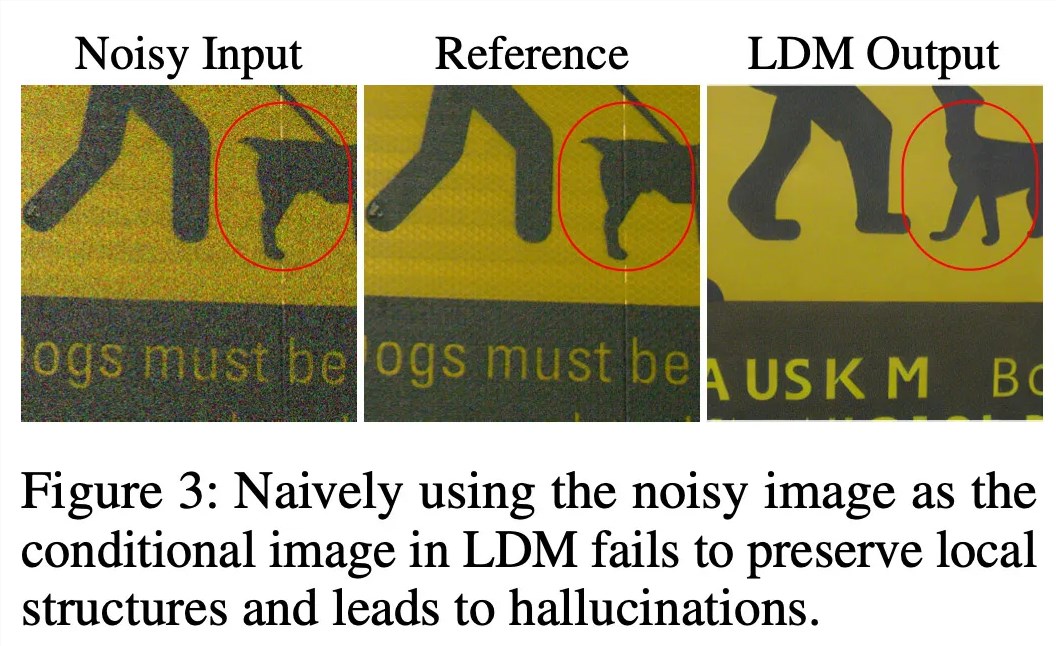
To keep things realistic, the team implemented a local patch attention mechanism that ensures generated details match the actual scene structure. This prevents those bizarre AI artifacts we sometimes see in generated images.

Real-World Performance

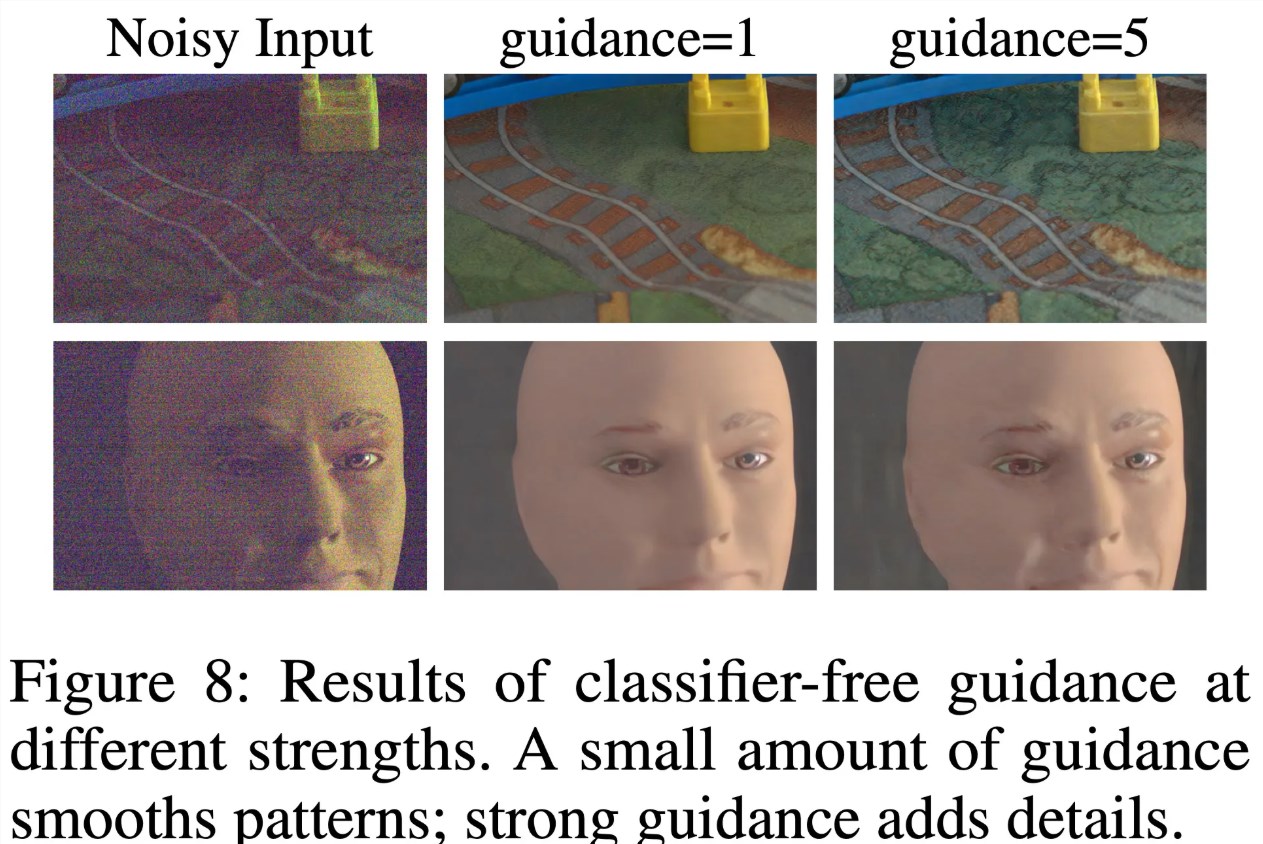
The results speak for themselves. In lab tests simulating extreme darkness, DarkDiff produced remarkable images with just 0.033 seconds of exposure time - matching reference photos taken with exposures 300 times longer using professional tripod-mounted cameras.
Image

Challenges Ahead

Before you get too excited about having night vision in your next iPhone, there are some hurdles to clear. The computational demands of diffusion models mean current implementations would drain battery life quickly. Apple may need to offload processing to the cloud initially.

The technology also currently struggles with non-English text recognition in dark conditions - an important consideration for global markets. While Apple hasn't announced a timeline for commercial release, this breakthrough demonstrates how AI is pushing mobile photography into uncharted territory.

Key Points:

  • Game-changing approach: Integrates AI directly into camera processing rather than relying on post-production fixes
  • Remarkable low-light performance: Matches quality of long-exposure shots with just 0.033s capture time
  • Technical hurdles remain: High power consumption and text recognition limitations need addressing before consumer release
  • The future of mobile photography: Shows how AI can overcome fundamental hardware limitations

Enjoyed this article?

Subscribe to our newsletter for the latest AI news, product reviews, and project recommendations delivered to your inbox weekly.

Weekly digestFree foreverUnsubscribe anytime

Related Articles

News

Siri's Emotional Makeover: Apple's AI Assistant Gets Cozier and More Capable

Apple is giving Siri its most significant upgrade in years, transforming the voice assistant into a more empathetic and proactive companion. Powered by Google's Gemini technology, the new Siri will offer emotional support, handle complex travel bookings, and even tell bedtime stories. Expected to debut this spring, these changes promise to make Siri feel less like a digital tool and more like a helpful friend who understands your schedule and preferences.

January 14, 2026
AppleVoice AssistantsAI Upgrades
Apple's AI Chip Production Nears Launch, Powering Future Data Centers
News

Apple's AI Chip Production Nears Launch, Powering Future Data Centers

Apple is gearing up to mass-produce its own AI server chips by late 2026, with plans to deploy them in specialized data centers starting in 2027. The tech giant's $50 billion manufacturing push includes a Texas factory already shipping servers for its Apple Intelligence platform. This move signals Apple's bet on explosive growth in AI-powered devices and services.

January 14, 2026
AppleAI HardwareData Centers
Mugen3D Turns Single Photos Into Stunning 3D Worlds
News

Mugen3D Turns Single Photos Into Stunning 3D Worlds

A groundbreaking AI tool called Mugen3D is transforming how we create 3D content. Using advanced 3D Gaussian Splatting technology, it can generate remarkably realistic models from just one image - capturing textures, lighting, and materials with astonishing accuracy. This innovation promises to democratize 3D creation across industries from gaming to e-commerce.

January 12, 2026
AIComputerGraphicsDigitalCreation
Apple's Safari Loses Design Chief to Upstart Browser Maker
News

Apple's Safari Loses Design Chief to Upstart Browser Maker

Apple's Safari browser faces another blow as its senior designer Marco Triverio jumps ship to join The Browser Company, creator of the innovative Arc browser. Shockingly, this marks the third consecutive Safari design lead poached by the startup since 2020. The move signals growing competition in browser innovation, particularly around AI-powered features that could redefine how we interact with the web.

January 9, 2026
AppleSafariBrowserWars
News

Qualcomm and Google Join Forces to Revolutionize Car Tech with AI

Qualcomm and Google are teaming up to tackle one of the automotive industry's biggest headaches: fragmented in-car systems. Their new 'Automotive AI Agent' combines Qualcomm's Snapdragon Digital Chassis with Google's Android Automotive OS, promising smoother development and smarter features like facial recognition. The partnership also introduces cloud-based development tools that could cut R&D time significantly. This collaboration marks a major step toward more unified, intelligent vehicle systems.

January 9, 2026
automotive-techAIsmart-cars
News

Bosch Bets Big on AI with €2.5 Billion Push Into Smart Cars

At CES 2026, automotive giant Bosch unveiled plans to invest over €2.5 billion in AI development by 2027, targeting smarter cockpits and safer autonomous driving systems. The German supplier aims to transform from hardware specialist to software leader, projecting its tech division could hit €10 billion in sales by the mid-2030s.

January 7, 2026
BoschAIautonomous vehicles