

Apple's AI Chip Production Nears Launch, Powering Future Data Centers
Apple Accelerates AI Infrastructure Push with Custom Chips
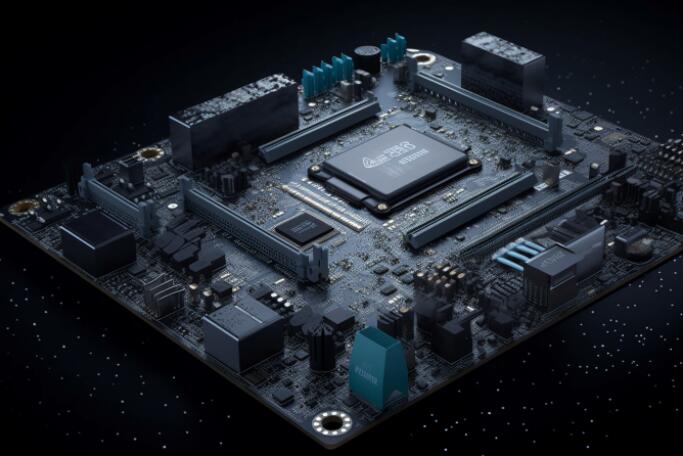
Tech analyst Mingzhi Guo revealed this week that Apple plans to begin mass production of its proprietary server AI chips in the second half of 2026. These powerful processors will form the backbone of new data centers specifically designed for artificial intelligence workloads, scheduled to come online the following year.
Building the Foundation for AI Dominance
The Cupertino-based company isn't just dipping its toes into AI infrastructure - it's making a splashy cannonball entry. Backed by a massive $50 billion manufacturing initiative announced last February, Apple has already opened an advanced facility in Houston ahead of schedule. This Texas factory began shipping American-made servers for Apple's Intelligence platform as early as October.
"What we're seeing is Apple laying the groundwork for what they believe will be an explosion in AI demand," explains tech industry analyst Sarah Chen. "By controlling both the hardware and software stack, they're positioning themselves uniquely in the coming AI wars."
From ACDC to Baltra: Apple's Chip Evolution
The journey to these specialized AI chips began quietly back in May 2024 with an internal project codenamed "ACDC" (Apple Chips for Data Centers). By December that year, Apple had partnered with semiconductor heavyweight Broadcom to develop "Baltra," a processor slated for 2026 release that likely incorporates cutting-edge chiplet technology.
Interestingly, Apple already uses custom silicon in its private cloud infrastructure today. As software chief Craig Federighi noted previously, this design enables secure end-to-end encrypted processing - a capability that will only become more crucial as AI handles increasingly sensitive user data.
Nationwide Expansion Plans Revealed
The Houston facility represents just one piece of Apple's ambitious infrastructure puzzle. The company plans significant data center expansions across:
- North Carolina
- Iowa
- Oregon
- Arizona
- Nevada
The 2027 facilities mentioned by Guo appear specifically optimized for AI workloads rather than general computing tasks.
Why This Matters?
The shift to dedicated AI chips promises several advantages:
- Performance boosts tailored specifically for machine learning tasks
- Energy efficiency gains crucial for large-scale operations
- Improved thermal management reducing cooling costs
- Tighter integration between hardware and software ecosystems
- Greater control over supply chains and security protocols
As one industry insider put it: "In the race to dominate AI, building your own chips isn't just an advantage - it might soon become table stakes."
