

WeChat Input Method Goes Big on Dialects and Privacy in Major iOS Update
WeChat Input Method Reinvents Itself with Voice-First Approach
The popular Chinese input app just leveled up significantly. WeChat Input Method's iOS version jumped straight from 2.2.6 to 3.0 today, signaling a complete transformation in how users will interact with their devices.
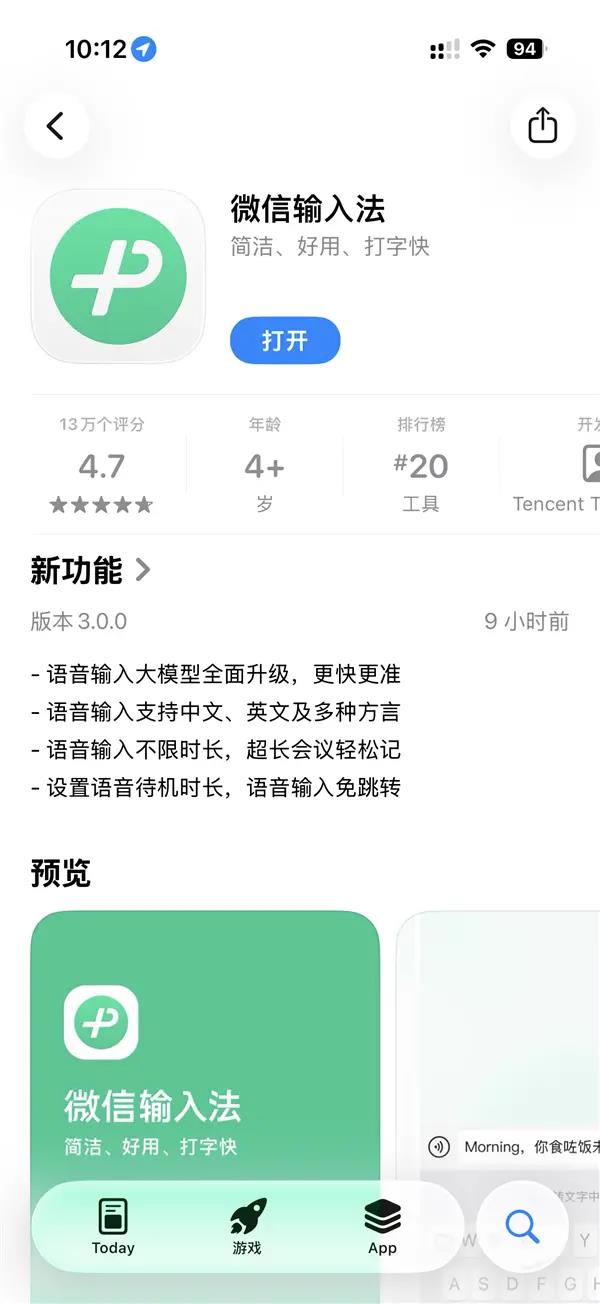
Dialect Recognition That Just Works
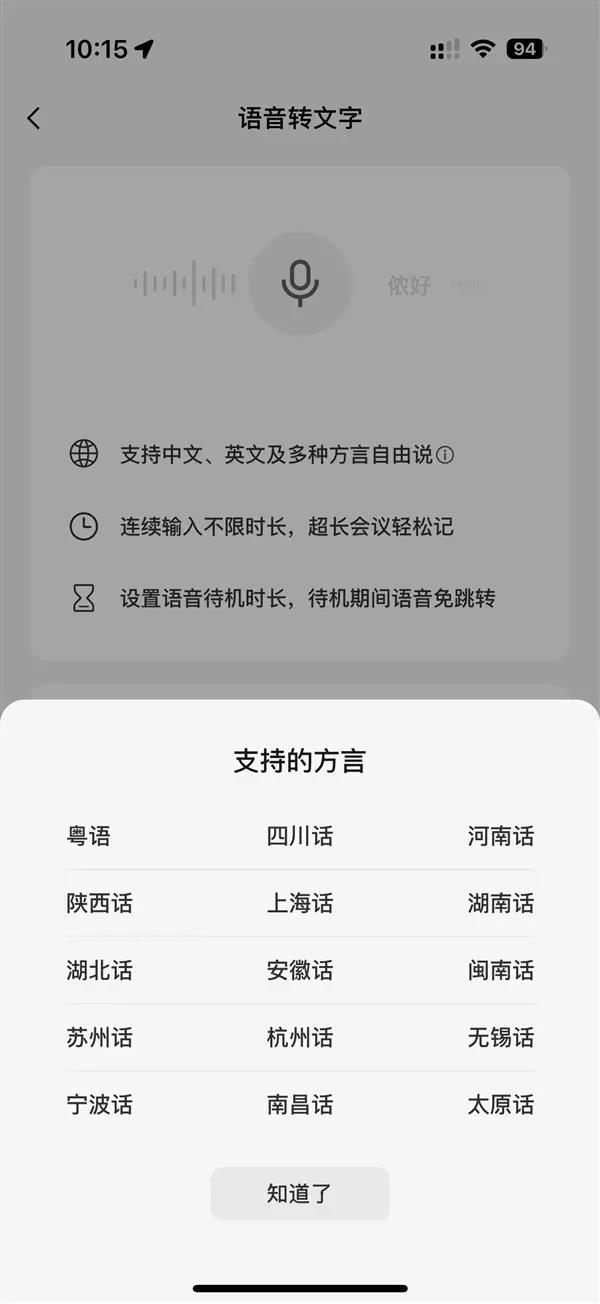
Gone are the days of manually switching language modes. The new version understands 15 regional dialects effortlessly—from Cantonese in the south to Shaanxi dialect up north. Whether you're chatting with grandma in Suzhou dialect or texting friends in Sichuanese, the app adapts automatically.
"The magic happens when you stop thinking about switching languages," explains a WeChat developer familiar with the project. "You just speak naturally, and it gets you."
Professional-Grade Voice Features
For journalists recording interviews or students capturing lectures:
- No more time limits on voice input (previously capped)
- Offline functionality means reliable use anywhere
- Several hours of continuous transcription capability
The offline mode particularly stands out—your voice data never leaves your device when network signals drop.
Privacy By Design
WeChat emphasizes their "minimum data" approach:
- Voice processing follows strict privacy policies
- Offline mode keeps everything local
- No unnecessary data collection
The timing couldn't be better as Chinese users grow increasingly privacy-conscious.
More Than An Keyboard App Now
This isn't just another incremental update. With AI assistants becoming central to mobile experiences globally, WeChat appears positioning its input method as China's answer to sophisticated voice interfaces—with the advantage of truly understanding regional linguistic diversity.
The message is clear: whether you're speaking Mandarin in Beijing or Hakka in Fujian, your phone should understand you perfectly.
Key Points:
- Supports 15 Chinese dialects with auto-detection
- Unlimited recording time for professional use cases
- Fully functional offline voice recognition
- Stronger privacy protections than previous versions
- Represents WeChat's push into AI-powered voice interfaces


