
Smart Glasses Get Government Boost: Subsidies Make AI Wearables More Affordable

Smart Glasses Enter the Mainstream With Government Support

The future of wearable tech just got brighter. In a landmark decision, China's Ministry of Industry and Information Technology (MIIT) has added AI-powered smart glasses to its consumer subsidy program - marking the first time such cutting-edge hardware receives national financial support.

How the Subsidy Works

Beginning January 2026, consumers purchasing qualifying AI glasses through authorized channels will receive:

  • Up to 15% discount on retail prices
  • Maximum subsidy of ¥800 per device

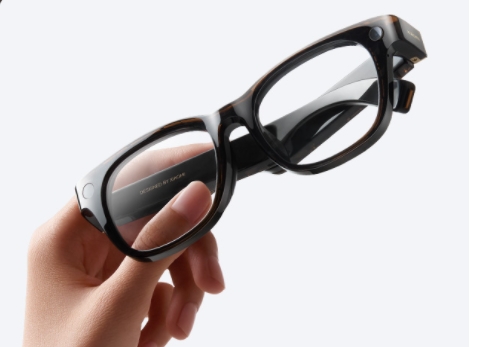
The initial approved brands read like a who's who of Chinese tech: Huawei, Xiaomi, Rokid, and XREAL. To qualify, glasses must feature core AI capabilities including real-time voice interaction, visual assistance, and health monitoring - all certified under national standards.
Image

Why This Matters

"AI glasses represent more than just gadgets," explains an MIIT official. "They're becoming essential tools across medicine, manufacturing, eldercare and education." The subsidies aim to:

  1. Lower adoption barriers for consumers
  2. Accelerate real-world testing and refinement
  3. Strengthen China's position in spatial computing technology

The timing couldn't be better. Market research shows explosive growth:

  • 112% year-over-year sales increase in 2025
  • Projected 2 million+ units sold domestically in 2026

The policy is already generating excitement among potential buyers like Beijing resident Ms. Li: "I've wanted smart glasses for travel navigation but couldn't justify the cost," she shares. "With this discount, I'll finally take the plunge."

Looking Ahead

The subsidy rollout begins with major cities before expanding nationwide throughout 2026. Industry analysts predict this could transform smart glasses from niche tech enthusiast gear into everyday essentials - much like smartphones did fifteen years ago.

The government's move signals strong confidence in domestic innovation capabilities while addressing key adoption hurdles: | Challenge | Policy Impact | |-----------|--------------| | High Price | Direct cost reduction | | Limited Use Cases | Encourages developer ecosystem | | Technical Barriers | Quality standards ensure reliability |

As edge computing improves and augmented reality matures, these subsidized devices may soon become as ubiquitous as smartphones - changing how we work, learn and interact with our surroundings.

Key Points:

  • First-ever national subsidies for AI smart glasses take effect Q1 2026
  • Major Chinese brands qualify with discounts up to ¥800 per device
  • Policy aims to accelerate adoption in healthcare, industry and consumer markets
  • Market expected to surpass 2 million units annually following subsidy rollout

Enjoyed this article?

Subscribe to our newsletter for the latest AI news, product reviews, and project recommendations delivered to your inbox weekly.

Weekly digestFree foreverUnsubscribe anytime

Related Articles

News

Smart Vacuums Take Over Homes as AI Cleaning Tech Surges

Robot vacuums have evolved from clumsy gadgets to intelligent home assistants, with global shipments jumping nearly 19% in 2025. Today's models can navigate around shoes and pet messes, respond to voice commands, and even learn cleaning preferences. Market data shows consumers increasingly value these smart features over raw suction power.

January 12, 2026
smart homeAI technologyconsumer electronics
News

ByteDance's Doubao AI Glasses Set to Shake Up Wearable Tech Market

ByteDance is making waves in wearable tech with its upcoming Doubao AI glasses, developed in partnership with Longqi Technology. These sleek glasses feature a custom chip for seamless voice interaction and translation, while keeping weight and price low. Unlike standalone devices, they smartly leverage your smartphone's power through the Doubao app. Priced under 2000 yuan, they could make AI glasses mainstream accessories rather than niche gadgets.

January 5, 2026
wearable technologyAI hardwareByteDance
Pickle1 AI Glasses Promise to Be Your Perfect Memory Companion
News

Pickle1 AI Glasses Promise to Be Your Perfect Memory Companion

US startup Pickle has unveiled Pickle1, groundbreaking AI glasses that aim to become your 'second brain.' These lightweight smart glasses continuously record and organize your daily experiences, offering features like infinite memory recall and proactive assistance. While raising privacy questions, they represent an ambitious leap toward truly personalized wearable AI.

January 4, 2026
wearable techartificial intelligenceaugmented reality
Qwen AI Glasses Get Smarter: Latest Update Adds Handy New Features
News

Qwen AI Glasses Get Smarter: Latest Update Adds Handy New Features

Qwen AI Glasses just received their first major software upgrade, packing five useful new features that make these smart glasses even more capable. The update brings enhanced audio notes, image memos, multi-task handling, and improved translation support across 89 languages. Users will also appreciate smarter organization tools that automatically categorize notes and reminders. These upgrades show how AI-powered wearables are becoming increasingly practical for everyday life.

December 31, 2025
smart glassesAI assistantwearable tech
News

Meta's Smart Glasses Now Hear Better Than You Do

Meta's latest smart glasses update brings two game-changing features: AI-powered hearing assistance that cuts through background noise, and a clever Spotify integration that picks music based on what you're looking at. The 'Conversation Focus' feature uses directional mics to amplify voices in noisy environments, while the visual song request lets your glasses DJ your day by matching tunes to your surroundings. Currently rolling out to early testers of Ray-Ban Meta and Oakley models.

December 22, 2025
wearable techAI audiosmart glasses
News

Samsung and Google unveil AI-powered fridge that knows what's inside

Samsung is teaming up with Google to bring artificial intelligence into your kitchen with a revolutionary new refrigerator. The Bespoke AI fridge, set to debut at CES, uses Google's Gemini technology to recognize food items, suggest recipes, and even manage your wine collection. This smart appliance goes beyond simple recognition - it understands what you have, what you need, and even when your food might expire. It's like having a personal kitchen assistant built right into your fridge.

December 22, 2025
smart homeartificial intelligencekitchen tech