
Shanghai Researchers Shatter Photonic Chip Barriers with AI Breakthrough

Photonic Chip Development Gets Quantum Leap with New AI Model

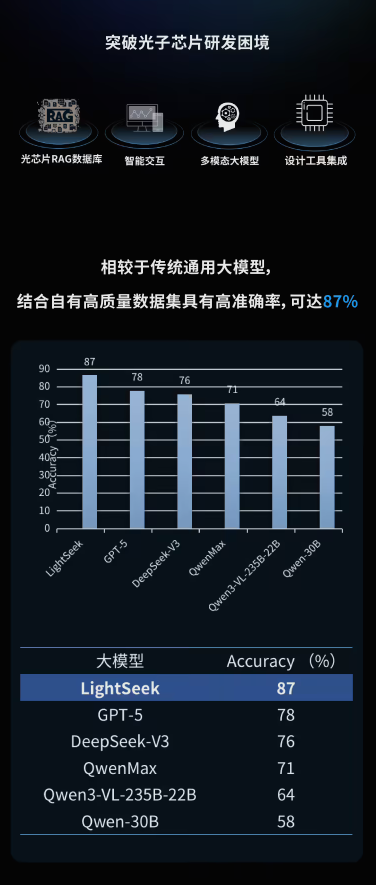
Researchers at Shanghai Jiao Tong University's Wuxi Photonics Chip Research Institute (CHIPX) have achieved what many thought impossible - compressing the grueling photonic chip development cycle from half a year down to just one month. Their secret weapon? LightSeek, the world's first specialized AI model built specifically for photonic chip workflows.

Image

From Months to Minutes: How LightSeek Works

The system represents more than just clever programming. CHIPX researchers fed their AI with something priceless - actual production data from China's first 110nm CMOS-compatible photonic chip pilot line. With thousands of completed wafer runs informing its decisions, LightSeek doesn't just theorize - it knows.

"Imagine having a senior process engineer who never sleeps," explains Dr. Wei Zhang, lead researcher on the project. "That's essentially what we've created - an AI that understands both design intent and manufacturing realities."

The numbers speak volumes:

  • 7x faster overall R&D cycles
  • 40% fewer costly trial runs
  • 12% boost in first-run yields for silicon photonic modulators

The Secret Sauce: Real-World Training Data

What sets LightSeek apart isn't just its trillion-parameter architecture, but its education. While most AI models train on simulated or limited datasets, this system learned from:

  • Tens of thousands of actual 6-inch lithium niobate wafer runs
  • Complete workflow data from design through testing
  • Real-world process variations and their outcomes

The result? An AI that doesn't just crunch numbers but understands the messy reality of chip fabrication.
Image

Industry Impact: Beyond Faster Prototypes

The implications extend far beyond speed. Photonic chips represent our best hope for moving beyond traditional semiconductor limits, but development bottlenecks have held progress back.

"We're not just accelerating existing processes," notes Dr. Zhang. "LightSeek helps bridge the chronic disconnect between designers and manufacturers that's plagued our field."

The team plans an ambitious rollout:

  • Open-sourcing a 70B parameter "Lite" version in early 2025
  • Developing APIs for seamless EDA system integration
  • Creating real-time equipment control protocols with domestic manufacturers

The ultimate goal? Turning what was once science fiction into routine - delivering custom photonic chips within seven days.

The research team welcomes collaborators at https://lightseek.chipx.org/ as they work toward realizing this vision.

Enjoyed this article?

Subscribe to our newsletter for the latest AI news, product reviews, and project recommendations delivered to your inbox weekly.

Weekly digestFree foreverUnsubscribe anytime

Related Articles

News

Marvell Bets Big on Light-Speed AI with $5.5B Celestial AI Buy

In a bold move to revolutionize AI infrastructure, Marvell Technology is acquiring photonic startup Celestial AI in a deal worth up to $5.5 billion. The acquisition targets breakthrough optical connection technology that could solve critical bottlenecks in data centers, positioning Marvell against giants like NVIDIA. With Amazon already onboard as a partner, this deal signals a major shift toward light-based computing architectures.

December 3, 2025
semiconductorsAI-hardwarephotonics
News

The Quiet Rise of Yaochu Capital: How This Investor Backed Tomorrow's AI Chip Giants

While flashy tech startups grab headlines, Yaochu Capital has been making calculated bets on AI chip companies that are now paying off big time. The investment firm quietly backed several semiconductor innovators like Bitmain and Hanbo Semiconductor years ago - companies that are now preparing for IPOs as China's AI infrastructure matures. Their secret? Focusing on original technology rather than just following the 'domestic substitution' trend.

January 12, 2026
AI chipsventure capitalsemiconductors
News

AMD Unveils Next-Gen AI Chips Challenging Intel's Dominance

At CES 2026, AMD made waves by introducing its latest AI processor lineup designed to bring artificial intelligence capabilities from cloud servers to everyday laptops and mobile devices. The new Ryzen AI400 series chips feature cutting-edge Zen5 architecture and promise significant performance boosts, though analysts warn supply chain issues could slow adoption.

January 7, 2026
semiconductorsAIhardwareprocessorwars
News

Anthropic's $21 Billion Bet: Breaking Free from Google with Massive TPU Chip Purchase

In a bold move shaking up the AI industry, Anthropic has committed $21 billion to purchase nearly a million TPU chips directly from Broadcom, bypassing Google entirely. This unprecedented deal marks a strategic shift toward computing independence as AI companies increasingly seek control over their infrastructure. The arrangement gives Anthropic full ownership of its AI training systems while relegating Google to a mere IP licensor - a significant power shift in the competitive AI hardware landscape.

January 4, 2026
AI hardwaresemiconductorscloud computing
News

Samsung Semiconductor Staff Reap AI Windfall with Record Bonuses

Samsung Electronics is set to reward its semiconductor division employees with bonuses reaching nearly half their annual salaries, marking a dramatic threefold increase from last year. The tech giant's fortunes have surged alongside AI demand, particularly for high-bandwidth memory chips powering NVIDIA's systems and future iPhones. While semiconductor teams celebrate their 43-48% bonuses, smartphone division employees might see even higher rewards.

December 31, 2025
SamsungAI chipstech bonuses
U.S. Greenlights Nvidia's H200 Chip Sales to China with 25% Royalty
News

U.S. Greenlights Nvidia's H200 Chip Sales to China with 25% Royalty

In a significant policy shift, the U.S. government has approved Nvidia's export of advanced H200 AI chips to select Chinese customers after months of restrictions. The deal comes with a hefty 25% commission for Washington, announced personally by former President Trump. This move could reshape global AI chip competition while maintaining U.S. oversight over critical technology exports.

December 9, 2025
NvidiaAI chipstech policy