
Intel Throws Down the Gauntlet: Chip Giant Enters GPU Race Against Nvidia

Intel Takes Aim at Nvidia With New GPU Push
Image

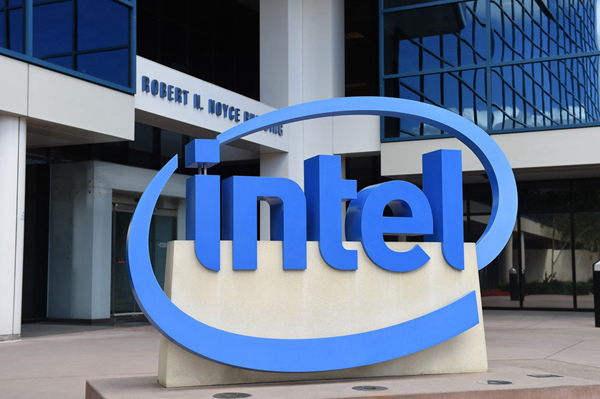
The semiconductor landscape just got more interesting. At San Francisco's Cisco AI Summit this week, Intel CEO Lip-Bu Tan made waves by announcing the company's formal entry into the competitive GPU market - territory long dominated by rival Nvidia.

Building an All-Star Team

Tan revealed Intel is assembling what he called an "elite engineering strike force" for this strategic push. Leading the charge is Kevork Kechichian, Arm veteran and current head of Intel's Data Center Group. But perhaps more intriguing is January's quiet hiring of Eric Demers, Qualcomm's former GPU architect with 13 years' experience.

"We've secured some of the brightest minds in silicon design," Tan told attendees. "This isn't about playing catch-up - it's about redefining what GPUs can do for AI workloads."

Targeting AI's Pain Points

While Intel previously signaled a renewed focus on CPUs, Tan acknowledged market realities have shifted dramatically. The explosion of generative AI has created what he termed "a perfect storm" of computing demands that current architectures struggle to meet.

The new GPUs will specifically target artificial intelligence model training and inference tasks. More importantly, they'll tackle what Tan identified as today's critical bottleneck: memory consumption.

"Today's GPUs gulp memory like thirsty marathon runners," Tan quipped. "We're designing solutions that balance performance with efficiency through advanced packaging techniques."

Industry Implications

The timing couldn't be more strategic. With analysts predicting memory chip shortages through 2028, Intel aims to position itself as both a foundry and innovator for next-gen AI hardware.

Nvidia currently commands over 80% of the AI accelerator market - dominance that hasn't gone unchallenged. AMD made similar moves last year with its MI300 series chips. Now Intel enters the ring armed with its 18A process technology and integrated manufacturing capabilities.

"This isn't just about selling chips," Tan emphasized. "It's about building complete ecosystems where every component works seamlessly together."

The announcement signals Intel's most aggressive move yet beyond its traditional CPU stronghold - and sets up what could become silicon's next great rivalry.

Key Points:

  • New Leadership: Kevork Kechichian and Eric Demers heading GPU initiative
  • AI Focus: Specialized designs for model training/inference
  • Memory Solutions: Addressing critical bottleneck in current architectures
  • Process Advantage: Leveraging Intel's 18A node technology
  • Market Shift: Direct challenge to Nvidia's dominant position

Enjoyed this article?

Subscribe to our newsletter for the latest AI news, product reviews, and project recommendations delivered to your inbox weekly.

Weekly digestFree foreverUnsubscribe anytime

Related Articles

News

Meta Bets Big on Custom AI Chips to Break Free from Tech Giants

Meta is doubling down on its chip-making ambitions, aiming to reduce reliance on Nvidia and AMD. CFO Susan Li revealed plans to develop custom processors capable of handling complex AI training tasks. While continuing partnerships with chipmakers, Meta seeks greater control over its computing future through a hybrid approach that blends off-the-shelf and custom solutions.

March 5, 2026
MetaAI ChipsSemiconductors
News

Meta Bets Big on Homegrown AI Chips Through 2027

Meta is making a massive push into custom AI chip development, planning to roll out four generations of its own processors by late 2027. The social media giant aims to reduce reliance on Nvidia while maintaining its position as one of the world's biggest GPU buyers. Their chip roadmap includes specialized processors for content recommendations and generative AI, signaling a strategic shift toward hardware-software integration.

March 12, 2026
MetaAI HardwareSemiconductors
News

Tesla's Chip Shift Delays South Korean AI Star's Flagship Product

South Korea's AI chip innovator DeepX faces a six-month delay for its DX-M2 processor, caught in the ripple effects of Tesla's production plan changes. Originally slated for mid-2026, mass production now won't begin until Q3. The setback highlights the fierce competition for cutting-edge semiconductor manufacturing capacity, even as DeepX's technology continues to impress with its energy-efficient design.

March 10, 2026
AI ChipsSemiconductor IndustryTech Competition
News

UK AI Startup Nscale Hits $14.6B Valuation With Record $2B Funding Round

British GPU cloud computing startup Nscale has just secured a massive $2 billion Series C investment, catapulting its valuation to $14.6 billion - potentially the largest single funding round in European history. The two-year-old company, which pivoted from Bitcoin mining to AI infrastructure, is now positioning itself as a major player in the global computing power race. Notable investors include Nvidia, Dell, and former Meta executives joining its board.

March 10, 2026
AI InfrastructureTech FundingCloud Computing
News

Broadcom Bets Big on AI Chips: $100 Billion Revenue Goal by 2027

Broadcom CEO Hock Tan stunned investors with bold predictions during Wednesday's earnings call, forecasting AI chip revenue will smash the $100 billion mark within three years. The announcement sent Broadcom shares soaring over 5% after hours, fueled by strong first-quarter results showing AI revenue doubling to $8.4 billion. With tech giants like Google and Meta driving demand for custom chips, Broadcom appears well-positioned to capitalize on the AI hardware boom.

March 6, 2026
SemiconductorsArtificialIntelligenceTechIndustry
News

Broadcom Bets Big: $100 Billion AI Chip Target Sets Stage for NVIDIA Showdown

Chipmaker Broadcom is making waves with bold predictions about its AI future. CEO Hock Tan announced expectations to surpass $100 billion in annual AI chip revenue by 2027, sending shares climbing. The company's strategy? Custom silicon solutions tailored for tech giants like Meta and OpenAI, positioning itself as a formidable alternative to NVIDIA's dominance.

March 5, 2026
AI chipsSemiconductorsTech competition