
Google's Doppl App Debuts AI Shopping Videos Without Human Models

Google Reinvents Shopping With AI-Generated Fashion Videos

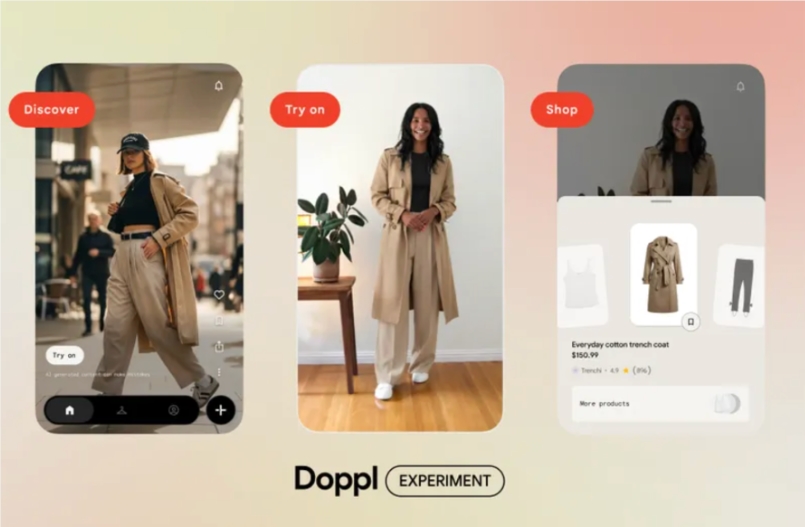
Google's experimental Doppl app just took online shopping into uncharted territory. The tech giant unveiled its "Shoppable Discovery Feed" - a stream of fashion videos where everything from the models to the outfits is generated by artificial intelligence.

Swipe, Watch, Buy

The experience feels familiar yet futuristic: swipe through 15-second clips of trendy outfits, tap when something catches your eye, and land directly on the retailer's checkout page. What makes this different? There are no human influencers or photographers involved.
Image

"We're essentially teaching algorithms to become stylists," explains a Google product manager familiar with the project. The system analyzes your browsing history and preferences within Doppl to serve personalized fashion content.

Behind the Virtual Curtain

The technology builds on Doppl's existing virtual try-on features:

  • Creates 3D avatars from user photos
  • Layers clothing items digitally
  • Uses diffusion models to animate static images into smooth videos (60 frames per second)

The result? Convincing fashion clips rendered in under three seconds with over 92% frame consistency.

Why AI Models Make Business Sense

This move comes as Google faces stiff competition from TikTok Shop:

  • U.S. search ad growth slowed for five straight quarters
  • TikTok's shopping revenue could hit $30 billion next year The AI approach cuts content production costs by 70% compared to traditional influencer campaigns.

Retailers pay per click (CPC) through the same system as Google Shopping Ads - no extra work required on their end.

The Authenticity Debate

The fully automated feed isn't without controversy:

  • Every video carries an "AI-generated" label (though you can't filter them out)
  • Style recommendations might create fashion echo chambers
  • FTC is already examining disclosure rules for AI advertising

Google promises upcoming features like a "discovery slider" to introduce more variety into recommendations.

The company plans UK and Canada launches in early 2025, along with tools letting brands customize video templates with their logos and color schemes.

Key Points:

  • Instant gratification: Nearly all shown items are in stock and purchasable
  • No middlemen: Skips influencers entirely while maintaining visual appeal
  • Regulatory watch: Comes as governments scrutinize AI content disclosures
  • What's next: International expansion and brand customization tools coming soon

Enjoyed this article?

Subscribe to our newsletter for the latest AI news, product reviews, and project recommendations delivered to your inbox weekly.

Weekly digestFree foreverUnsubscribe anytime

Related Articles

News

Google's AI Shopping Assistant Makes Checkouts Disappear

Google just revolutionized online shopping with its new AI-powered system. Forget clicking through multiple pages - now you can search, compare prices, apply coupons, and checkout all through a simple conversation. The tech combines Gemini CX customer service with a universal commerce protocol that connects retailers seamlessly. While Chinese platforms race to catch up, Google's deep search integration gives it an edge in creating truly conversational commerce.

January 14, 2026
AI shoppingconversational commerceretail technology
News

Software Giant IgniteTech's Radical AI Pivot: 80% Workforce Cut Sparks Industry Debate

IgniteTech CEO Eric Vaughan made waves by revealing the company laid off 80% of employees who resisted its aggressive AI transformation. The controversial strategy included mandatory 'AI Mondays' and ultimately replaced reluctant staff with AI-focused talent. While painful, the move appears to be paying off with new patents and soaring profits - raising tough questions about workforce adaptation in the AI era.

January 13, 2026
AI transformationworkforce disruptioncorporate restructuring
News

AI Short Dramas Poised for Takeoff as Tech Giants Roll Out Game-Changing Tools

The short drama landscape is about to transform dramatically. Leading platforms like Wenxuan Group and Chinese Online have unveiled revolutionary AI-powered production tools that automate everything from scripting to final edits. These innovations promise to slash production times while maintaining character consistency across episodes - a longtime industry headache. With TikTok's incentive programs fueling demand, experts predict an explosion of high-quality 3D short dramas by 2026, creating new opportunities for IP holders and tech-savvy creators alike.

January 13, 2026
AI video productionshort form contentdigital entertainment
News

Google's New Shopping Protocol Lets You Buy Anything Without Leaving Chat

Google has unveiled its Universal Commerce Protocol (UCP) at the 2026 NRF conference, revolutionizing how we shop with AI. The open standard allows users to complete entire purchases within chat interfaces like Google Search AI Mode or Gemini - from product discovery to payment - without ever switching apps. Developed with major retailers and payment providers, UCP keeps merchants in control while offering unprecedented convenience.

January 12, 2026
AI shoppingGoogle UCPretail innovation
News

Alibaba's Wanxiang 2.6 Brings Hollywood-Style Video Creation to Your Fingertips

Alibaba has unveiled its latest AI video generation model, Wanxiang 2.6, packed with groundbreaking features that could revolutionize digital storytelling. The update introduces China's first 'role-playing' function, allowing users to insert themselves into professionally-shot videos with just a simple prompt. With extended 15-second clips, multi-shot control, and cinematic-quality output, this tool blurs the line between amateur creation and professional filmmaking.

December 16, 2025
AI video generationdigital storytellingAlibaba Cloud
New York Times Takes Legal Action Against AI Startup Over Content Scraping
News

New York Times Takes Legal Action Against AI Startup Over Content Scraping

The New York Times has filed a lawsuit against AI search company Perplexity, alleging unauthorized use of copyrighted content. The complaint cites nearly 180,000 visits to NYTimes.com in one month and accuses Perplexity of reproducing articles almost verbatim through its AI system. This marks the second major copyright lawsuit by the Times against AI companies, following their case against OpenAI/Microsoft last year.

December 9, 2025
AI copyrightNew York TimesPerplexity