
Google Gemini Hit by Massive AI Model Hack Attempt

Google's AI Under Siege: How Hackers Targeted Gemini

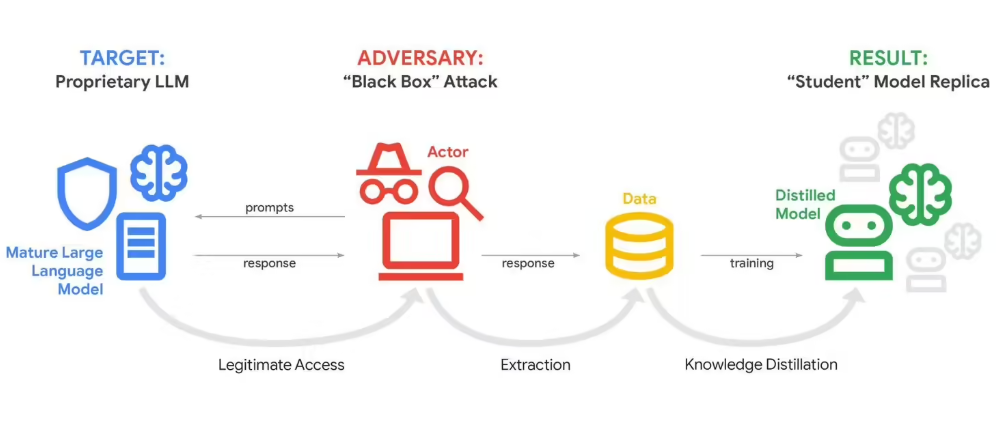
In a startling disclosure, Google admitted its flagship Gemini AI chatbot recently weathered a massive cyber assault unlike anything seen before. Attackers flooded the system with more than 100,000 carefully crafted prompts in what security specialists call a "model distillation attack" - essentially trying to reverse-engineer the AI's brain through relentless questioning.
Image

The Anatomy of an AI Heist

The attacks, detected February 12th, weren't random probing but highly coordinated efforts to map Gemini's decision-making pathways. "Imagine someone whispering thousands of questions to your thoughts," explains John Hottelquist, Google's threat intelligence chief. "Each query helps them sketch the contours of your mind."

Commercial rivals appear behind most attempts, though Google declined to name suspects. The tech giant did confirm attackers spanned multiple global regions and focused on extracting Gemini's prized "reasoning" algorithms - the secret sauce determining how it processes information.

Why This Matters Beyond Google

Hottelquist paints an ominous picture: "We're the canary in this coal mine." As companies pour billions into proprietary AI systems containing sensitive data and trade secrets, such extraction attacks threaten entire industries. Custom business AIs trained on years of internal knowledge could see their competitive advantages slowly siphoned away.

The dilemma? Most commercial AI services must remain somewhat open to function properly. While detection systems exist, completely sealing these digital minds proves nearly impossible without crippling their usefulness.

What Comes Next?

This incident spotlights emerging vulnerabilities as artificial intelligence becomes embedded in business operations. Security teams now race to develop better protections against model theft while balancing accessibility needs.

The stakes couldn't be higher - whoever masters these defenses may determine whether corporate AI remains secure or becomes an open book for determined hackers.

Key Points:

  • Unprecedented Scale: Over 100,000 prompts used in single attack instances
  • Commercial Motives: Likely competitors seeking AI advantages
  • Global Threat: Attackers operating across multiple regions
  • IP Theft Concerns: Core algorithms worth billions at risk
  • Broader Implications: Custom business AIs may be next targets

Enjoyed this article?

Subscribe to our newsletter for the latest AI news, product reviews, and project recommendations delivered to your inbox weekly.

Weekly digestFree foreverUnsubscribe anytime

Related Articles

Your Phone Just Got Smarter: Google's Gemini AI Now Handles Real Tasks
News

Your Phone Just Got Smarter: Google's Gemini AI Now Handles Real Tasks

Google's Gemini AI takes a giant leap forward with new task automation features entering beta testing. Your smartphone can now hail rides, order coffee, and complete multi-step tasks by mimicking human actions across apps – all while keeping you firmly in control. The system works through visual interfaces rather than deep integrations, making it surprisingly versatile despite occasional clumsy moments.

March 13, 2026
AI assistantstask automationGoogle Gemini
Volcano Engine Fortifies AI Assistants with New Security Shield
News

Volcano Engine Fortifies AI Assistants with New Security Shield

ByteDance's Volcano Engine has unveiled a major security upgrade for its ArkClaw AI assistant platform. The new safeguards tackle vulnerabilities exposed by open-source tools like OpenClaw, implementing cloud-native sandboxing and strict permission controls. This transforms potentially risky AI agents into accountable 'digital employees' with full behavioral tracking - crucial protection as businesses increasingly adopt generative AI.

March 12, 2026
AI SecurityEnterprise TechnologyCloud Computing
360 Group Tackles AI Security Risks with New OpenClaw Guide
News

360 Group Tackles AI Security Risks with New OpenClaw Guide

360 Group has unveiled China's first security guide specifically designed for OpenClaw, addressing critical vulnerabilities in AI agent deployment. The comprehensive framework tackles everything from prompt injection attacks to privilege escalation risks, offering tailored solutions for individual developers and large enterprises alike. This initiative signals a crucial industry shift toward prioritizing security alongside functionality in AI development.

March 11, 2026
AI SecurityOpenClawCybersecurity
News

Google's Gemini AI Now Assisting Pentagon Staff

Google has rolled out its Gemini AI system to over 3 million U.S. Department of Defense personnel, marking a major step in military-tech collaboration. The AI currently handles administrative tasks on unclassified networks, with potential expansion to classified systems under review. Early adoption shows strong demand, though training lags behind usage.

March 11, 2026
AI in governmentDefense technologyGoogle Gemini
News

Google Translate Gets Smarter with Gemini AI

Google Translate just leveled up its game. The service now integrates Gemini AI, bringing human-like understanding to translations. Instead of literal word swaps, it grasps idioms, context and cultural nuances. Early users in the U.S. and India can try the mobile app first, with global expansion coming soon.

February 27, 2026
AI translationGoogle Geminilanguage technology
Your Phone Just Got Smarter: Google's Gemini Now Books Rides and Orders Food
News

Your Phone Just Got Smarter: Google's Gemini Now Books Rides and Orders Food

Google's Gemini AI takes a giant leap forward, transforming smartphones into personal assistants that can actually complete tasks for you. The latest update lets Pixel 10 and Galaxy S26 users simply speak commands to hail rides, order takeout, or shop for groceries—all without lifting a finger. While currently limited to flagship devices in select markets, this breakthrough hints at a future where our phones truly work for us.

February 27, 2026
AI assistantsmobile technologyGoogle Gemini