

From Digital Shrimp to Cyber Mules: How AI Assistants Are Evolving
The Rise and Fall of Digital Shrimp
Just weeks ago, tech enthusiasts across China were obsessed with 'raising shrimp' - the affectionate nickname for OpenClaw, an open-source AI framework. This powerful tool could automate everything from email management to stock trading, earning its lobster logo and quirky nickname. But the excitement quickly turned to frustration.
"It was like adopting a high-maintenance pet," recalls Li Wei, a Shanghai office worker who paid nearly 800 yuan just to install and later remove the software. "The shrimp demanded constant attention, crashed often, and needed programming skills to fix."
Enter the Cyber Mule
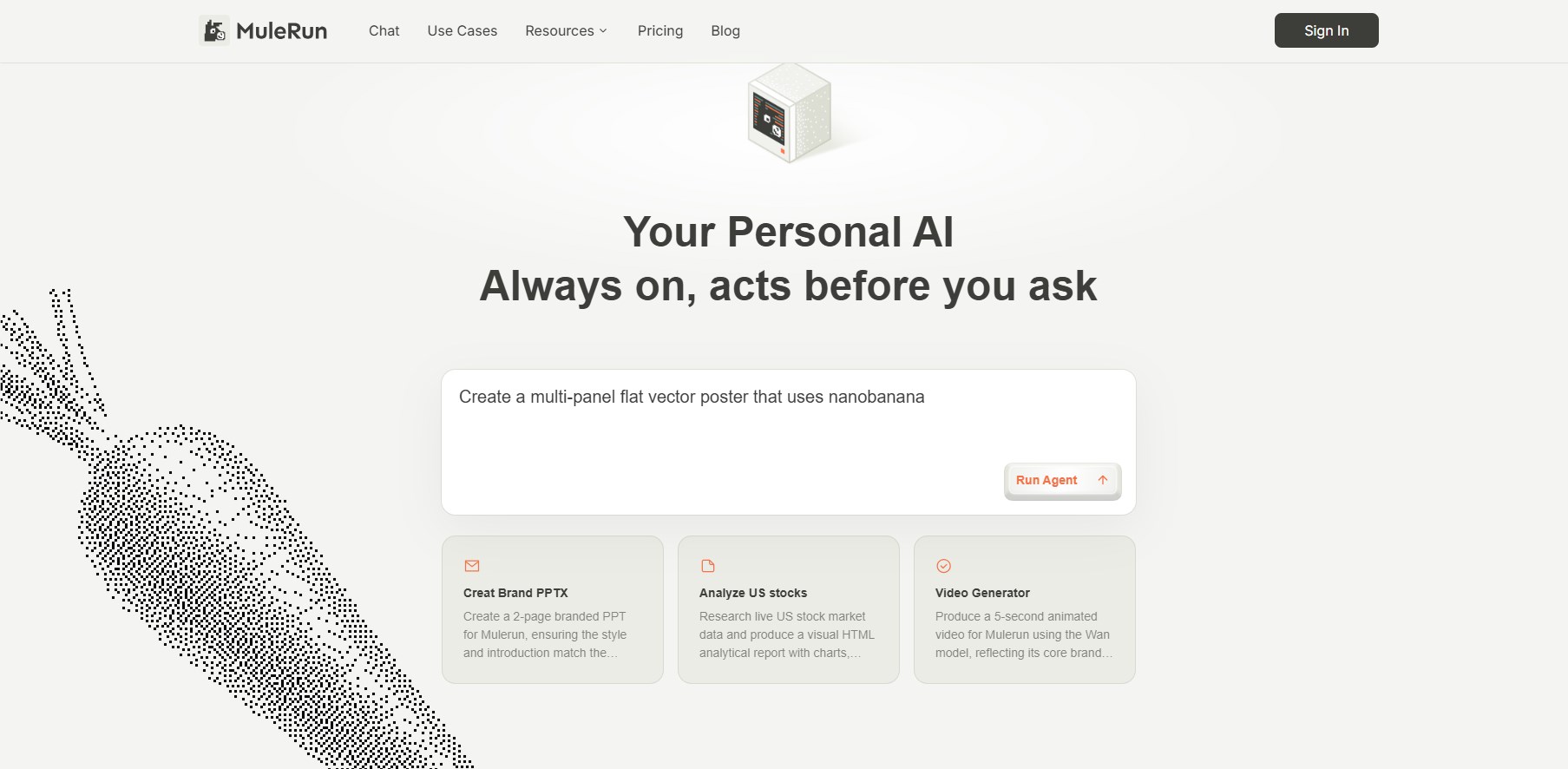
MuleRun arrived at the perfect moment. Developed by a team with reported ties to Zhejiang University, this cloud-based AI assistant promises all the benefits of OpenClaw without the headaches. No installation? Check. Works while you sleep? Absolutely. Learns your habits over time? That's the pitch.
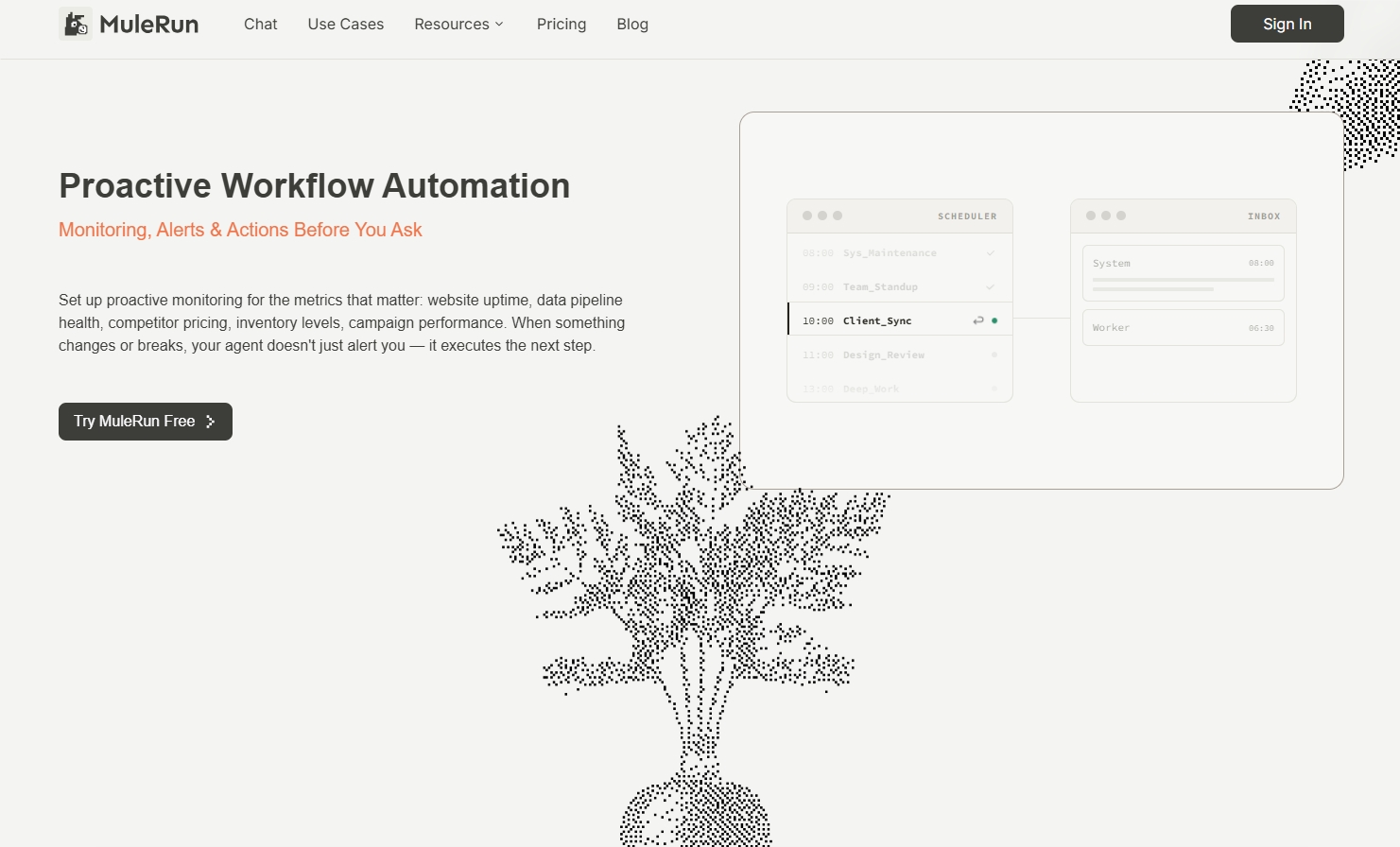
The contrast couldn't be starker:
- Accessibility: Browser-based versus complex local installations
- Uptime: Cloud servers keep working when your computer sleeps
- Learning Curve: Adapts to users rather than requiring technical expertise
- Security: Dedicated virtual machines replace risky system permissions
Real-World Impact
Early adopters report dramatic time savings:
- Automated news tracking that runs independently
- Instant competitor analysis with single commands
- Game development without coding knowledge
"I used to spend weekends debugging my 'shrimp'," says developer Zhang Tao. "Now I tell my mule what I need before lunch and have results by coffee break."
Why This Matters Beyond Memes
The viral success of MuleRun signals an important shift in AI adoption:
- Democratization: Complex tools becoming accessible to non-technical users
- Reliability: Moving from experimental frameworks to dependable services
- Specialization: Transitioning from general chatbots to task-specific assistants
The financial markets have taken notice too, with related stocks seeing unusual activity as investors bet on this new direction for AI tools.
Key Points:
- MuleRun addresses major pain points of earlier AI assistants like OpenClaw
- Cloud-based operation and self-learning capabilities differentiate it from predecessors
- The product's rapid adoption reflects growing demand for practical AI solutions
- While promising, long-term performance and ecosystem development remain unproven


