
Figma and OpenAI Bridge Design-Code Gap with Breakthrough Integration

Design Meets Development in Historic Collaboration

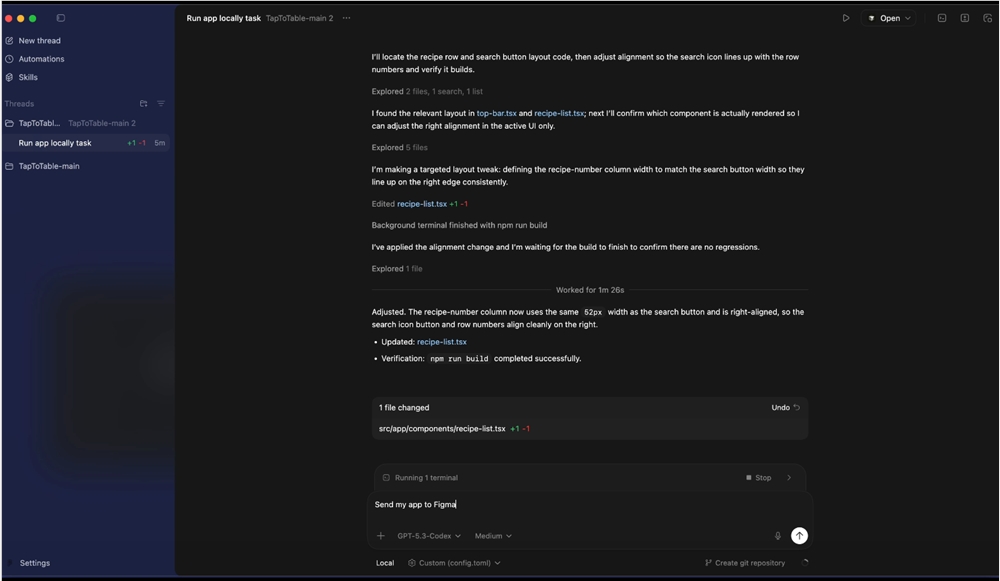
For years, designers and developers have worked in parallel universes - one crafting pixel-perfect interfaces, the other translating those visions into working code. Today, Figma and OpenAI announced a solution that finally connects these worlds through deep integration of Codex AI technology.
Image

How the Integration Works

The breakthrough lies in bidirectional automation that flows both ways:

  • From Code to Design: Developers can now generate editable Figma files directly from existing code repositories
  • From Design to Code: Changes made in Figma automatically transform into clean, production-ready code
  • Context-Aware AI: The system understands entire projects through MCP (Model Context Protocol), eliminating the guesswork that plagued earlier tools

"This isn't just about saving clicks," explains Figma's CTO. "It's about creating a shared language between disciplines that traditionally spoke different dialects."

Ecosystem-Wide Implementation

The features roll out across Figma's entire product suite:

  • Native support in Figma Design and Figma Make
  • Collaborative whiteboard tool FigJam integration
  • Deep macOS compatibility via Codex desktop app

Early adoption metrics tell a compelling story: Weekly active users surpassed 1 million shortly after launch, with growth accelerating at 400% since January 2026.

What This Means for Teams

The implications extend far beyond convenience:

  1. Design systems become living documents that evolve alongside codebases
  2. Prototyping cycles shrink from days to hours as ideas flow directly into implementation
  3. Cross-functional alignment improves through shared artifacts that both sides can modify
  4. Technical debt decreases when design changes propagate automatically to code

The partnership leverages OpenAI's enterprise ChatGPT deployment within Figma's own workflows - proving the technology before bringing it to customers.

Key Points:

  • First true two-way bridge between design files and functional code
  • Context-aware AI understands complete project ecosystems
  • Already powering over 1 million weekly user sessions
  • Available now across Figma's product family
  • Represents shift from static guidelines to dynamic design systems

Enjoyed this article?

Subscribe to our newsletter for the latest AI news, product reviews, and project recommendations delivered to your inbox weekly.

Weekly digestFree foreverUnsubscribe anytime

Related Articles

OpenAI Empowers Developers with Free AI Security Tools
News

OpenAI Empowers Developers with Free AI Security Tools

OpenAI is rolling out a generous support program for open-source developers, offering six months of ChatGPT Pro access plus cutting-edge code security tools powered by GPT-5.4. The initiative aims to strengthen software ecosystems by helping maintainers catch vulnerabilities early. While access to the premium Codex Security features will be selective, the program welcomes diverse coding environments beyond OpenAI's native tools.

March 9, 2026
OpenAIDeveloper ToolsCode Security
News

NVIDIA Pulls Back from OpenAI: A Billion-Dollar Partnership Cools

NVIDIA's surprising decision to scale back its multi-billion dollar investment in OpenAI signals shifting tides in the AI industry. The chip giant's CEO recently called their $3 billion commitment likely their last, walking back from earlier plans for a $10 billion partnership. This comes as OpenAI faces internal turmoil, including executive departures and ethical controversies. Industry watchers see NVIDIA's move as both a response to OpenAI's instability and a cautious step against potential AI valuation bubbles.

March 9, 2026
AI InvestmentNVIDIAOpenAI
News

ChatGPT's Adult Mode Hits Another Snag as OpenAI Shifts Focus

OpenAI has delayed its controversial 'Adult Mode' feature for ChatGPT yet again, prioritizing core AI improvements instead. While code hints suggest the feature hasn't been abandoned, the company is focusing first on enhancing intelligence and personalization. The postponement highlights the ongoing tension between user demands and ethical considerations in AI development.

March 9, 2026
OpenAIChatGPTAI Ethics
News

OpenAI Robotics Chief Quits Over Military AI Concerns

Caitlin Kalinowski, OpenAI's hardware and robotics lead, resigned abruptly this week citing ethical concerns about the company's military partnerships. The former Meta AR glasses developer warned about unchecked surveillance and autonomous weapons in social media posts. Her departure exposes growing tensions within OpenAI as it navigates defense contracts while trying to maintain ethical boundaries.

March 9, 2026
OpenAIAI EthicsMilitary Tech
GPT-5.4 Arrives With Mind-Reading AI and Million-Token Memory
News

GPT-5.4 Arrives With Mind-Reading AI and Million-Token Memory

OpenAI's latest model, GPT-5.4, introduces revolutionary features that bring us closer to truly intelligent digital assistants. The new Thinking mode lets users peer into the AI's reasoning process, while million-token memory enables handling massive documents. Perhaps most impressive are its native computer operation abilities - this AI doesn't just talk, it can actually work across your applications.

March 6, 2026
AIOpenAIGPT
OpenAI Charts Five-Path Strategy for AI-Driven Business Overhaul
News

OpenAI Charts Five-Path Strategy for AI-Driven Business Overhaul

OpenAI's latest white paper challenges companies to move beyond piecemeal AI experiments, outlining five strategic models for genuine transformation. From boosting workforce skills to reinventing entire processes, the guidance emphasizes systematic adoption over isolated pilots. The report draws parallels to the e-commerce revolution, suggesting businesses approach AI as a portfolio investment rather than discrete tools.

March 6, 2026
AI strategybusiness transformationOpenAI