
DuckDuckGo Introduces AI Image Filter for Cleaner Searches

DuckDuckGo Rolls Out AI-Generated Image Filter

In response to growing user concerns about AI-generated content flooding search results, privacy-focused search engine DuckDuckGo has introduced a new filtering feature. The tool allows users to easily hide synthetic images from their searches, addressing what many describe as an increasingly problematic aspect of online information discovery.

How the Feature Works

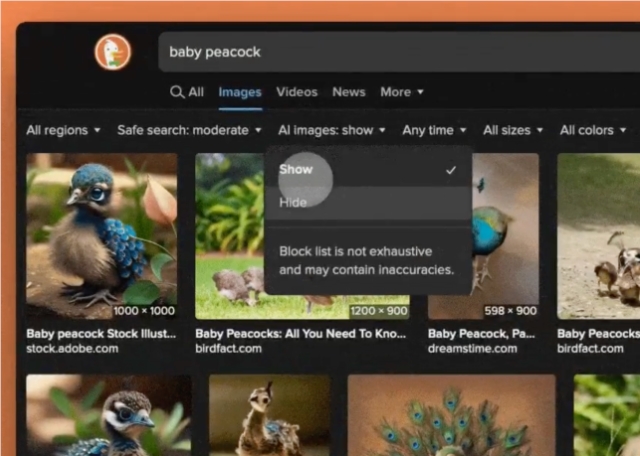
The new functionality appears in DuckDuckGo's Images tab, where users now find an "AI Images" dropdown menu. This simple interface lets searchers choose whether to display or hide content identified as AI-generated. For those who prefer automatic filtering, the option can be enabled permanently through search settings under "Hide AI-Generated Images."
Image

Technical Implementation

The filter relies on a manually maintained open-source blacklist, incorporating resources like uBlockOrigin and uBlacklist Huge AI Blocklist. While DuckDuckGo acknowledges the system isn't perfect—some AI content may slip through while some legitimate images might be blocked—the company reports it significantly reduces synthetic image prevalence in results.

Addressing the 'AI Garbage' Problem

The launch comes amid widespread discussion about low-quality AI-generated content proliferating across platforms. Referred to by some as "AI garbage," this content often lacks the nuance and authenticity of human-created material. DuckDuckGo's move positions it as one of the first major search engines to directly address this growing user pain point.

A Nod to Recent Controversies

The company's example demonstration using "baby peacock" searches appears to reference a 2024 incident where Google's results for the term were dominated by obviously synthetic images rather than authentic photographs. This real-world case highlighted how AI content could displace genuine information in search ecosystems.

Future Developments

DuckDuckGo has hinted at plans to expand filtering options, though specifics remain undisclosed. The development suggests growing recognition within the tech industry that users need better tools to navigate increasingly synthetic digital landscapes.

Key Points:

  • New dropdown menu in Images tab for quick AI content filtering
  • Option available in search settings for permanent activation
  • Uses open-source blacklists with manual oversight
  • Direct response to user complaints about search quality degradation
  • Future filtering expansions planned but not detailed

Enjoyed this article?

Subscribe to our newsletter for the latest AI news, product reviews, and project recommendations delivered to your inbox weekly.

Weekly digestFree foreverUnsubscribe anytime

Related Articles

News

How AI Startups Can Stand Out in 2026's Crowded Market

As consumer AI becomes increasingly competitive, startups face an uphill battle to capture user attention. But venture firm a16z sees three promising strategies emerging: leveraging template-based solutions, embracing multimodal interfaces, and focusing on niche professional markets. Their analysis suggests the key lies not just in technological innovation, but in creating truly engaging user experiences.

December 30, 2025
AI trendsstartup strategyuser experience
YouTube Pulls the Plug on AI-Generated Fake Trailers, Bans Top Channels
News

YouTube Pulls the Plug on AI-Generated Fake Trailers, Bans Top Channels

YouTube has cracked down on two major channels that used AI to create fake movie trailers, racking up billions of views. Screen Culture and KH Studio, which mixed real clips with AI-generated content to mimic official previews, have been permanently banned after repeatedly violating platform policies. The move follows pressure from copyright holders and marks a significant step in YouTube's battle against AI-generated spam.

December 19, 2025
YouTube policyAI contentdigital copyright
Perplexity AI Bids $34.5B for Google Chrome in Bold Market Play
News

Perplexity AI Bids $34.5B for Google Chrome in Bold Market Play

AI startup Perplexity has made a staggering $34.5 billion offer to acquire Google's Chrome browser, nearly double its own valuation. The move aims to challenge Google's search dominance amid antitrust scrutiny, with VC backing signaling market confidence. Industry analysts warn of regulatory hurdles and high-stakes risks.

August 13, 2025
tech acquisitionsantitrustAI startups
NotebookLM Launches Full Notebook Features for All Users
News

NotebookLM Launches Full Notebook Features for All Users

NotebookLM has fully launched its curated notebook features, granting all users instant access to news reports directly from the homepage. The update enhances user experience with seamless navigation, real-time updates, and multi-platform support, covering diverse fields like technology and industry trends.

July 29, 2025
NotebookLMAI newstechnology trends
ChatGPT Error Sparks Unplanned Feature Development
News

ChatGPT Error Sparks Unplanned Feature Development

A developer of a sheet music scanning website faced an unexpected surge in users after ChatGPT erroneously recommended a non-existent feature. The team scrambled to implement ASCII guitar tab support, turning a mistake into an opportunity for innovation.

July 8, 2025
AI developmentChatGPTmusic technology
Wells Fargo Forecasts $100B ChatGPT Ad Revenue by 2030
News

Wells Fargo Forecasts $100B ChatGPT Ad Revenue by 2030

Wells Fargo predicts ChatGPT will capture 30% of global search ad revenue by 2030, potentially generating $100 billion annually. The report suggests OpenAI's AI tool could significantly disrupt Google's market dominance while warning of potential impacts on ad pricing.

June 6, 2025
ChatGPTdigital advertisingAI monetization