
China Tightens Rules on AI-Altered Classics Starting 2026

China Takes Stand Against AI-Distorted Cultural Content

The National Radio and Television Administration has drawn a line in the sand against questionable AI modifications of China's cultural treasures. Beginning January 2026, regulators will launch a nationwide month-long campaign targeting what they describe as "radically altered" versions of classic works.
Image

What's Sparking the Crackdown?

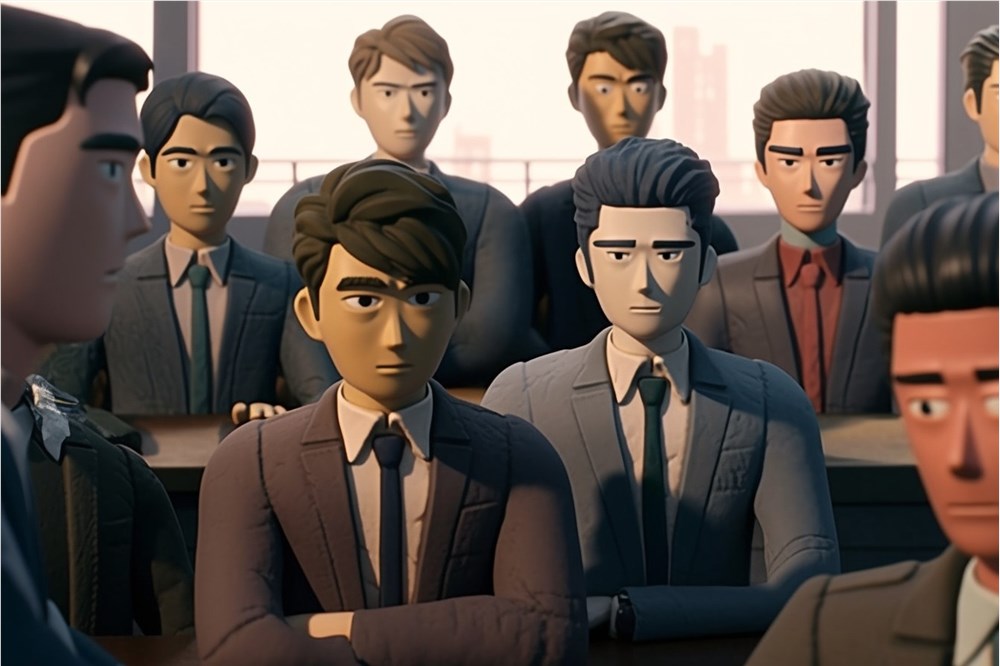
In recent months, platforms have seen an explosion of AI-generated videos that twist classic stories beyond recognition. Some creators have taken beloved characters from Chinese literature and history, transforming them into violent or vulgar caricatures. Others have repurposed children's animation figures into disturbing horror content.

"These aren't harmless parodies," explains media analyst Li Wei. "When young viewers encounter multiple distorted versions online, it creates confusion about our cultural heritage and core values."

The regulator specifically called out examples like "Foreign Shanhaijing" - bizarre reinterpretations of the Chinese classic that went viral earlier this year, sparking outrage from parents and educators.

Four Key Targets

The campaign will focus on:

  • Classic novel distortions: Unauthorized rewrites of the Four Great Classical Novels and revolutionary works that completely alter character motivations and story meanings
  • Violence glorification: Content that turns historical events or literary scenes into gratuitous bloodshed showcases
  • Cultural appropriation: Misuse of traditional symbols or historical periods to push misleading narratives
  • Childhood corruption: Creepy transformations of familiar cartoon characters into nightmare fuel

A Coordinated Approach

This isn't just about deleting problematic videos. The administration plans to work with internet platforms, education authorities, and law enforcement to:

  1. Strengthen content review systems
  2. Hold platforms accountable for distribution
  3. Educate creators about ethical boundaries
  4. Develop clearer industry standards for AI-generated content

The message is clear: while technology enables creative expression, it shouldn't become a tool for cultural vandalism.

Key Points:

  • New regulations take effect January 2026 targeting harmful AI modifications
  • Month-long enforcement campaign will involve multiple government agencies
  • Focus on protecting minors and preserving cultural authenticity
  • Platforms face stricter accountability for hosting distorted content

Enjoyed this article?

Subscribe to our newsletter for the latest AI news, product reviews, and project recommendations delivered to your inbox weekly.

Weekly digestFree foreverUnsubscribe anytime

Related Articles

News

Major Platforms Crack Down on AI-Altered Classics

China's top social media platforms have removed thousands of videos that used AI to modify classic literature and historical content in their first week of a nationwide cleanup campaign. WeChat, Douyin and Kuaishou each took down over 1,000 offending clips, while other platforms issued warnings and bans to repeat offenders.

January 9, 2026
AI regulationcontent moderationdigital culture
News

India Gives X Platform Ultimatum Over AI-Generated Explicit Content

India's government has issued a stern warning to Elon Musk's X platform, demanding immediate action against its AI chatbot Grok for generating inappropriate content. The platform faces a 72-hour deadline to implement safeguards against explicit AI-generated images, particularly those targeting women and minors. Failure to comply could strip X of its legal protections in one of the world's largest digital markets.

January 4, 2026
AI regulationcontent moderationdigital safety
NVIDIA's Jensen Huang Pushes Back Against AI Doomsday Talk
News

NVIDIA's Jensen Huang Pushes Back Against AI Doomsday Talk

NVIDIA CEO Jensen Huang is challenging the growing pessimism around AI, arguing that exaggerated doomsday scenarios are doing more harm than good. In a recent interview, Huang warned that fear-mongering about technology could stifle innovation and divert resources from making AI safer. While acknowledging legitimate concerns, he criticized competitors who push for excessive regulations while potentially having ulterior motives.

January 12, 2026
AI regulationJensen Huangtech industry trends
News

Indonesia and Malaysia Block Musk's Grok Over Deepfake Concerns

Indonesia and Malaysia have taken decisive action against Elon Musk's AI chatbot Grok, temporarily blocking access due to its unregulated image generation capabilities. Reports indicate users exploited these features to create harmful deepfakes, including non-consensual pornographic content involving real people and minors. While xAI has apologized and restricted the tool to paid subscribers, regulators worldwide remain skeptical about these measures' effectiveness.

January 12, 2026
AI regulationDeepfakesDigital ethics
News

Grok Restricts Image Creation After Controversy Over AI-Generated Explicit Content

Elon Musk's AI tool Grok has suspended image generation features for most users following backlash over its ability to create non-consensual explicit content. The move comes amid regulatory pressure, particularly from UK officials threatening platform bans. While paid subscribers retain access, critics argue this doesn't solve the core issue of digital exploitation through AI.

January 9, 2026
AI ethicscontent moderationdigital safety
News

Shenzhen Cracks Down on AI Platforms Spreading Vulgar Content

Shenzhen authorities have launched a sweeping cleanup targeting AI-powered platforms accused of spreading inappropriate content. The crackdown focuses particularly on protecting minors from vulgar material while addressing issues like fake news and manipulative live streaming practices. Officials vow to maintain pressure on digital platforms to ensure a safer online environment.

January 7, 2026
online regulationAI governancecontent moderation