
ByteDance's Trae AI Coding Tool Hits 1.6M Active Users

ByteDance's Trae AI Coding Assistant Gains Major Traction

Developers worldwide are embracing ByteDance's AI coding tool Trae at an unprecedented rate, according to the platform's newly released 2025 annual report. The numbers tell a compelling story of rapid adoption and evolving developer habits in the age of AI-assisted programming.

Surging User Base Signals Industry Shift

The report reveals staggering growth metrics:

  • 1.6 million monthly active users actively using the platform
  • Over 6 million total registered accounts spanning nearly 200 countries
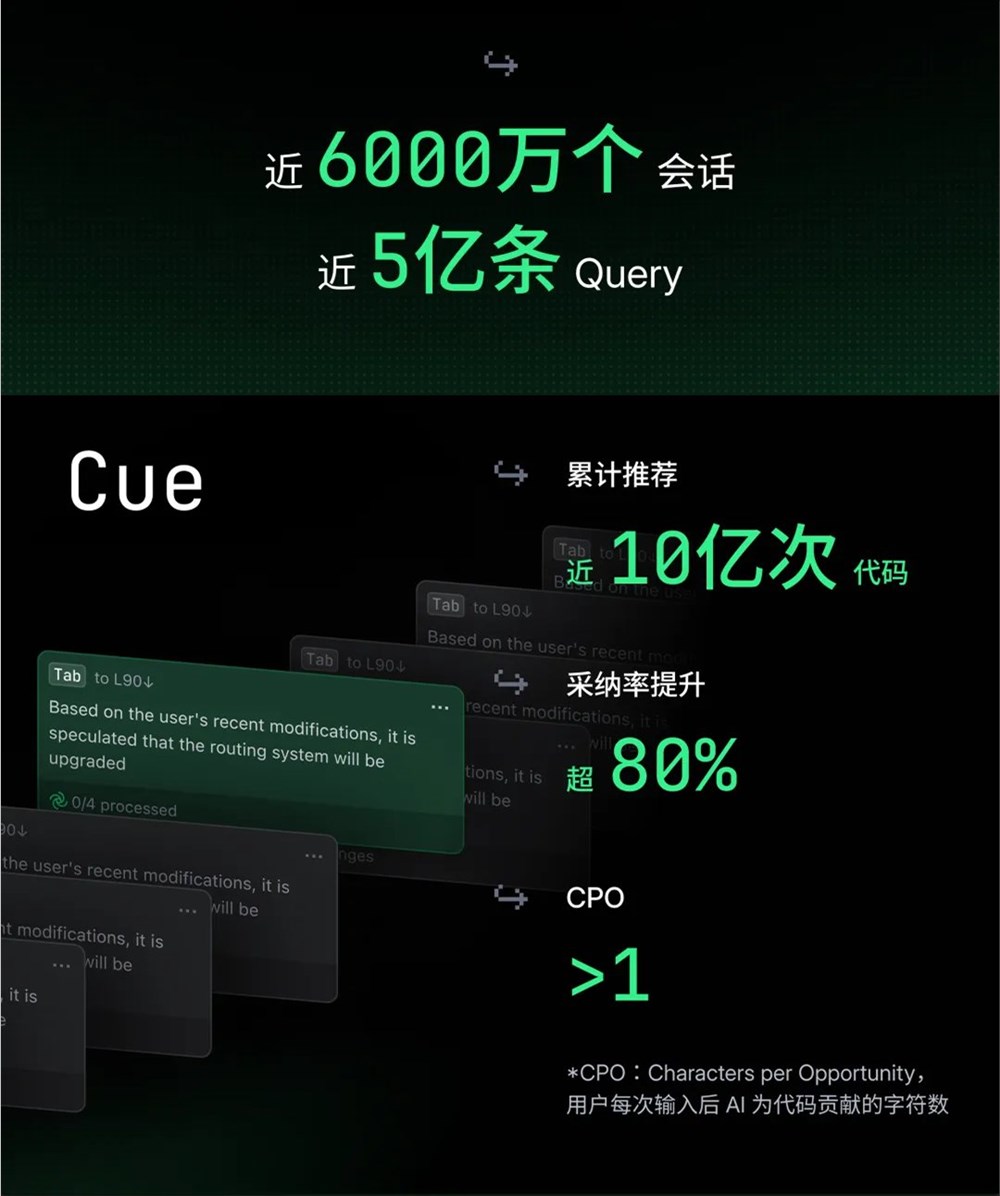
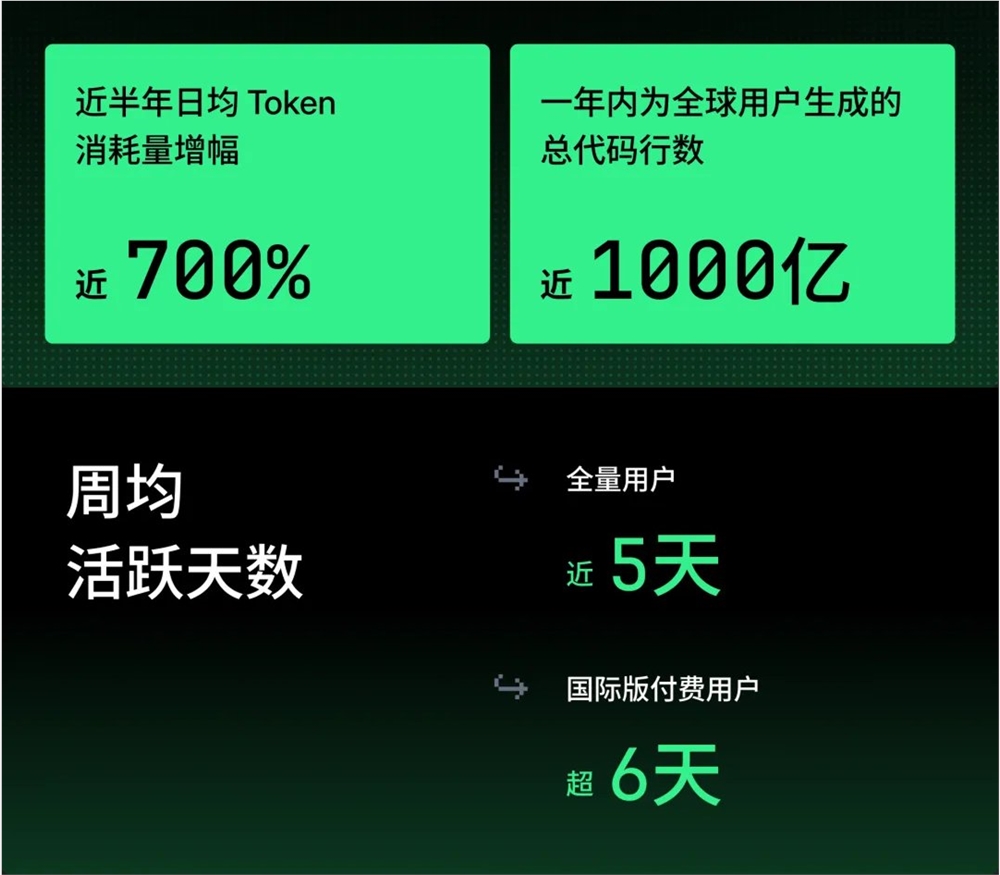
  • Developers averaging 5 active days per week
    • essentially "showing up" for workdays
  • International paid users demonstrating even higher engagement levels
Image

What makes these numbers particularly impressive? They represent professional developers incorporating AI into their daily workflow rather than casual experimentation. The platform processed nearly 60 million sessions and 500 million queries last year, generating billions of lines of code globally.

Performance Leaps Forward

The past year saw significant technical improvements:

  • Code completion latency reduced by 60%
  • Memory usage dropped by 43%
  • SOLO mode adoption reached 44% internationally

The Chinese version launch proved equally successful, with three in ten developers adopting SOLO mode shortly after release. These enhancements address early user frustrations while demonstrating Trae's evolution from simple code suggestions to handling complex development tasks.
Image

How Developers Actually Use AI Coding Tools

The report provides fascinating insights into real-world usage patterns:

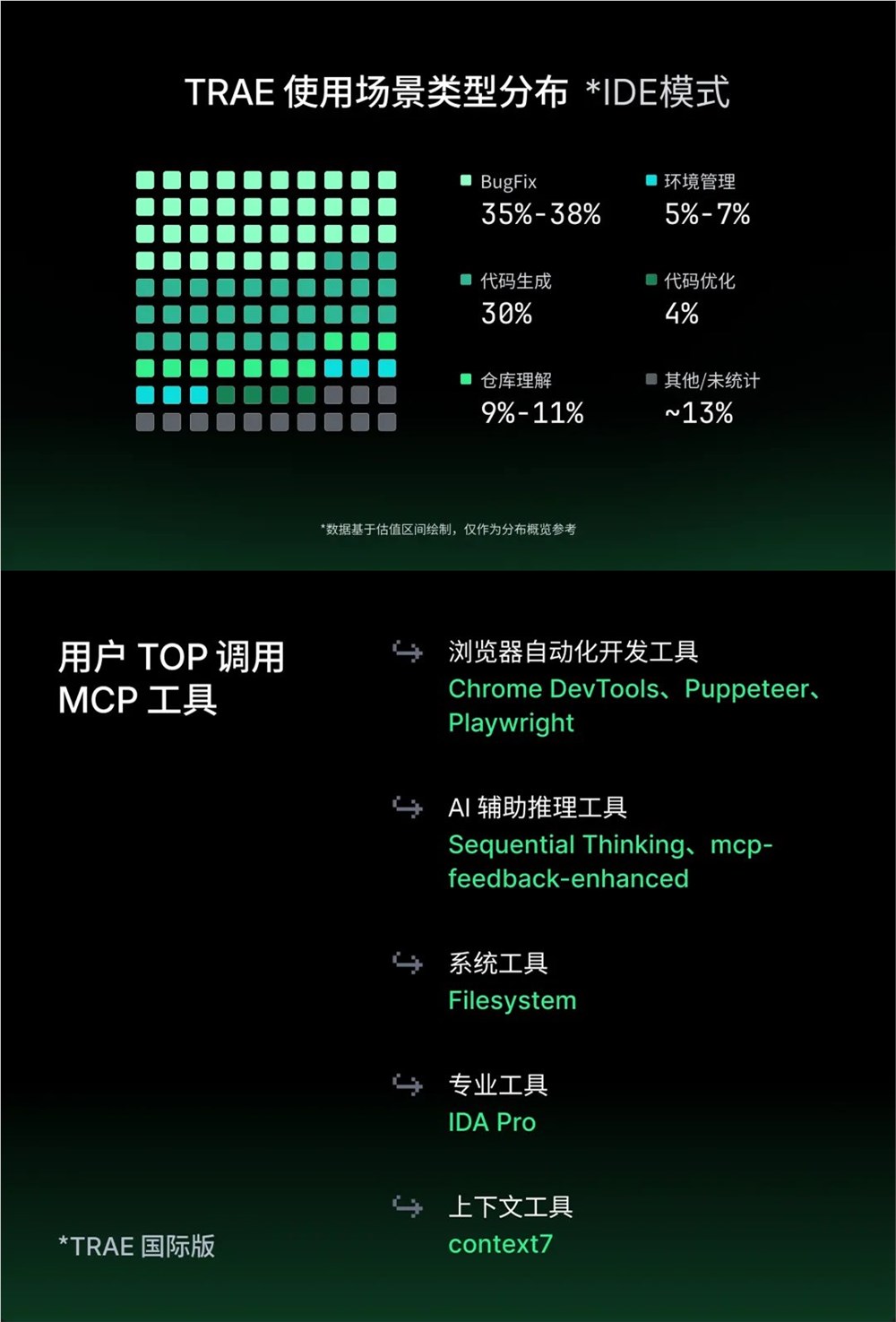
  1. Bug fixing dominates: Accounting for about 40% of IDE activity
  2. Code generation follows: Making up roughly 30% of use cases
  3. More complex tasks like repository management see lower adoption rates

The language distribution reveals another interesting trend - Vue leads usage statistics, followed by Python and JavaScript, highlighting web development as Trae's primary application area.
Image

Multiple Modes Meet Diverse Needs

Developers aren't sticking to single approaches:

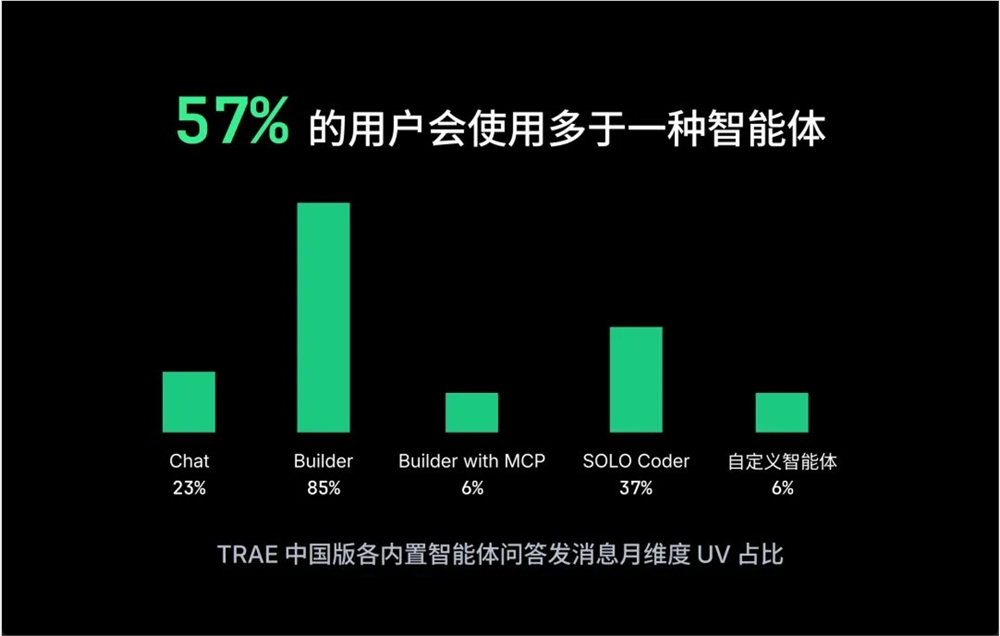
  • Builder mode remains most popular (80% usage)
  • SOLO Coder follows at 40%
  • Over 80% of users employ multiple intelligent agents

The platform supports extensive integration capabilities through its Model Connection Protocols (over 11,000 supported), enabling seamless connections with external tools.
Image

Key Takeaways:

  • Trae has transitioned from novelty to necessity for many developers
  • Performance improvements address early limitations
  • Usage patterns reveal where AI excels (bug fixes) versus where human oversight remains crucial
  • The tool supports diverse workflows through multiple collaboration modes

The rapid adoption suggests we're witnessing a fundamental shift in how software gets built - with AI playing an increasingly central role.

Enjoyed this article?

Subscribe to our newsletter for the latest AI news, product reviews, and project recommendations delivered to your inbox weekly.

Weekly digestFree foreverUnsubscribe anytime

Related Articles

News

Ali Qoder's Smart Upgrade Boosts Developer Productivity

Ali Qoder has rolled out a major upgrade to its code completion tool, now branded as Qoder NEXT. The enhanced system analyzes developers' coding patterns in real-time, offering smarter suggestions that have led to a 65% increase in AI-generated code adoption. This breakthrough promises to make programming faster and more intuitive.

January 7, 2026
AI programmingdeveloper toolscode automation
News

TikTok Doubles Down on Shenzhen with New AI and Video Tech Hub

ByteDance's TikTok is expanding its footprint in China's tech hub Shenzhen with a second headquarters focused on AI and video technology. The Nanshan District facility will house research labs and business incubators, complementing TikTok's existing Greater Bay Area operations. This move signals the company's growing investment in southern China's innovation ecosystem.

January 8, 2026
ByteDanceShenzhenTechAIInnovation
News

ByteDance's DouBao AI Glasses Set for Limited Release

ByteDance is gearing up to ship its highly anticipated DouBao AI glasses, but with a twist - the first batch of 100,000 units will be exclusively available to existing DouBao App users. Powered by Qualcomm's Snapdragon AR1 chip, these lightweight glasses focus on audio functionality without a display screen. While the company remains tight-lipped about broader sales plans, industry insiders reveal development is already underway for a second-generation model.

January 6, 2026
wearable techartificial intelligenceByteDance
News

ByteDance Shuts Down Rumors About Doubao AI Glasses Launch

ByteDance has officially denied rumors about the imminent launch of Doubao AI glasses, stating there's no concrete sales plan yet. Despite speculation fueled by supply chain reports, the company maintains the product hasn't reached shipping phase. Industry experts suggest this reflects ByteDance's cautious approach to hardware launches, possibly due to technical challenges or strategic timing considerations.

January 6, 2026
ByteDanceAI WearablesSmart Glasses
News

ByteDance's Doubao AI Glasses Set to Shake Up Wearable Tech Market

ByteDance is making waves in wearable tech with its upcoming Doubao AI glasses, developed in partnership with Longqi Technology. These sleek glasses feature a custom chip for seamless voice interaction and translation, while keeping weight and price low. Unlike standalone devices, they smartly leverage your smartphone's power through the Doubao app. Priced under 2000 yuan, they could make AI glasses mainstream accessories rather than niche gadgets.

January 5, 2026
wearable technologyAI hardwareByteDance
Google Engineer Stunned as Claude AI Solves Year-Long Coding Puzzle in Just One Hour
News

Google Engineer Stunned as Claude AI Solves Year-Long Coding Puzzle in Just One Hour

A Google engineer's social media post praising Claude AI's coding abilities has sent shockwaves through the tech community. The AI reportedly solved a complex distributed system problem that had stumped Google's team for an entire year - delivering working code in just sixty minutes. This breakthrough suggests AI programming tools may be advancing faster than even experts predicted, potentially reshaping how software gets built.

January 4, 2026
AI programmingClaude Codesoftware development