
AI Music Blurs the Lines: Nearly All Listeners Can't Tell It's Not Human

The Invisible Rise of AI Music

Imagine listening to your favorite streaming service - could you tell if that catchy tune was crafted by human hands or artificial intelligence? According to a new international study, 97% of listeners can't.
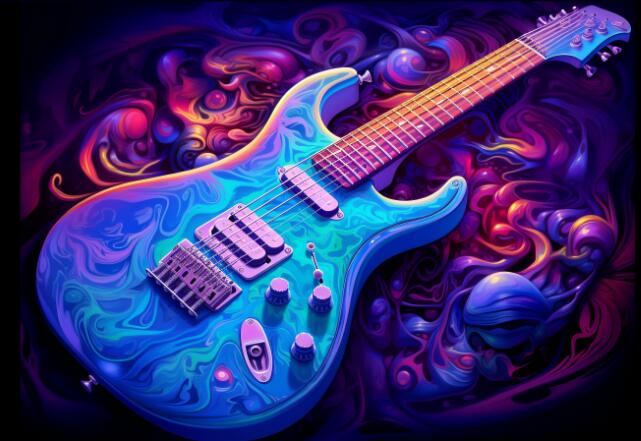
Image

Image caption: Even album art is going synthetic - this cover was generated by Midjourney.

The Great AI Music Experiment

The eye-opening research comes from streaming giant Deezer and market research firm Ipsos, who surveyed 9,000 people across eight countries including the US, UK, Japan and Germany. Participants took blind listening tests with three tracks - some human-made, others AI-generated.

The results were striking:

  • Only 3% consistently identified the artificial compositions correctly
  • 71% expressed surprise at their inability to tell the difference
  • Over half (52%) reported feeling unsettled by this revelation

"We're seeing a fundamental shift in how music gets created," notes Alexis Lanternier, Deezer's CEO. The platform currently adds about 50,000 fully AI-generated tracks daily - accounting for more than a third of all new uploads.

Public Demands Transparency

The study uncovered strong public sentiment for clearer labeling:

  • 80% want explicit identification of fully AI-generated music
  • 73% believe platforms should disclose when they're recommending synthetic tracks
  • 65% oppose using copyrighted material to train AI models without permission

The concerns go beyond mere curiosity. Seven in ten respondents fear unchecked AI music could threaten musicians' careers - both established artists and future creators.

A Double-Edged Algorithm?

The findings reveal fascinating contradictions in how we view musical AI:

  • Nearly half (46%) believe algorithms can help them discover more music they'll love
  • Slightly more (51%) expect AI to play "an important role" in composition within ten years
  • Yet 64% worry synthetic music might lead to declining creativity industry-wide

The paradox suggests listeners simultaneously embrace AI's convenience while fearing its consequences - much like early reactions to sampling or digital production decades ago.

Key Points:

🎵 97% failure rate: Almost no one could reliably spot AI-made music in blind tests 📢 Demand for labels: 4 in 5 listeners want clear identification of synthetic tracks 💼 Career concerns: Majority believe unchecked AI threatens musicians' livelihoods

Enjoyed this article?

Subscribe to our newsletter for the latest AI news, product reviews, and project recommendations delivered to your inbox weekly.

Weekly digestFree foreverUnsubscribe anytime

Related Articles

Tencent and Tsinghua's AI Music Breakthrough Challenges Industry Leaders
News

Tencent and Tsinghua's AI Music Breakthrough Challenges Industry Leaders

Tencent has teamed up with Tsinghua University to launch SongGeneration2, an AI music model that's turning heads with its impressive 8.55% phonetic error rate - outperforming many commercial rivals. This innovative system combines language models with diffusion technology to create surprisingly natural-sounding music, even on consumer hardware. With its open-source approach and fast generation capabilities, it could democratize music creation.

March 10, 2026
AI MusicSongGeneration2Tencent
News

AI Music Revolution: Suno v5 and Lyria3 Redefine Creative Boundaries

February 2026 marked a turning point in AI music generation as industry leaders Suno, Udio, and Google unveiled groundbreaking updates. These advancements transformed AI music from experimental tools to professional-grade production systems capable of emotional vocals, studio-quality audio, and seamless integration across creative workflows. Major brands are already leveraging these technologies to revolutionize advertising, design, and gaming industries.

March 6, 2026
AI MusicCreative TechnologyDigital Transformation
News

Investor's Tweet Backfires as Suno Faces Copyright Heat

Suno, the AI music platform, faces mounting legal troubles after its lead investor made comments undermining the company's copyright defense. C.C. Gong of Menlo Ventures admitted switching from Spotify to Suno, contradicting claims that AI music doesn't compete with human creators. The deleted tweet has become ammunition for rights holders arguing Suno harms original artists' market value.

March 4, 2026
AI MusicCopyright LawTech Investment
News

Spotify's AI Playlist Creator Lets You Describe Your Perfect Soundtrack

Spotify has rolled out an innovative AI-powered playlist feature for Premium subscribers in select countries. Instead of searching by artist or song, users can now describe moods, scenes, or memories in natural language - like 'music for rainy London streets' - and let Spotify's AI craft the perfect soundtrack. Each song comes with an explanation of why it was chosen, and playlists can evolve automatically based on your changing tastes.

February 24, 2026
SpotifyAI MusicPersonalized Playlists
SeaArt Surpasses Midjourney With Emotional AI Approach
News

SeaArt Surpasses Midjourney With Emotional AI Approach

While global tech giants chase raw computing power, Chinese startup Haiyi Interactive Entertainment took a different path - winning hearts through emotional AI creations. Their SeaArt platform now leads the global AI community with over 50 million users, proving that human connection matters more than technical specs alone.

January 26, 2026
AI CreationSeaArtDigital Creativity
Tech Giants Push AI Boundaries: Xiaomi's Paid Model, Meitu's Global Hit & MiniMax's Smart Assistants
News

Tech Giants Push AI Boundaries: Xiaomi's Paid Model, Meitu's Global Hit & MiniMax's Smart Assistants

Today's AI landscape sees major moves from Chinese tech players. Xiaomi rolls out pricing for its MiMo model while offering free trials, Meitu's photo editor tops global charts with its AI lighting feature, and MiniMax introduces customizable desktop assistants. Meanwhile, OpenAI tightens child safety controls on ChatGPT, and DeepSeek teases a new architecture. From professional tools to creative applications, these developments show how quickly AI is evolving across industries.

January 21, 2026
AI DevelopmentChinese TechMachine Learning